


Table of Contents
- Herbal Teas for Hormonal Support: What the Evidence Shows
- Quick Comparison: Top Herbal Teas for Hormone Balance
- Best Tea for PCOS: Spearmint and Other Options
- Tea for Menopause Symptoms: Which Herbs May Help
- Can Tea Balance Hormones? What Research Tells Us
- Spearmint Tea for PCOS and Hormonal Health
- Safety, Preparation and When to Seek Medical Advice
- Frequently Asked Questions
Last Updated: October 10, 2026
Herbal Teas for Hormonal Support: What the Evidence Shows
Hormonal balance affects energy, mood, sleep quality, and reproductive health. Many people explore the best herbal teas for hormonal support as a complementary approach, particularly during life transitions like the menstrual cycle and menopause. But which herbal teas actually have evidence behind them, and which are just marketing hype?
This guide covers the best herbal teas for hormonal support with the strongest evidence and traditional use, explains what each may support, and addresses key safety considerations.
Herbal tea is not a substitute for medical care, but can be a meaningful part of a wellness routine. Below: which teas have evidence, how to prepare them, and when to seek professional guidance.
Quick Comparison: Top Herbal Teas for Hormone Balance
| Herbal Tea | Primary Use | Best For | Preparation |
|---|---|---|---|
| Spearmint tea | Androgen-related symptoms, cycle support | PCOS, hormonal acne | 2 cups daily, 5-7 minutes steep |
| Green tea | Metabolic support, antioxidants | General hormone health | 1-2 cups daily, 3-5 minutes steep |
| Chasteberry (vitex) tea | Cycle regularity, menstrual symptoms | Irregular cycles, PMS | 1 cup daily, consistent use |
| Licorice root tea | Stress response, adrenal support | Fatigue, cortisol concerns | 1 cup daily, 10 minutes steep |
| Marjoram tea | Cycle-related comfort | Menstrual cramping | 2-3 cups as needed |
| Raspberry leaf tea | Reproductive health, cycle support | Menstrual health, pregnancy prep | 1-2 cups daily, 5-10 minutes steep |
Best Tea for PCOS: Spearmint and Other Options
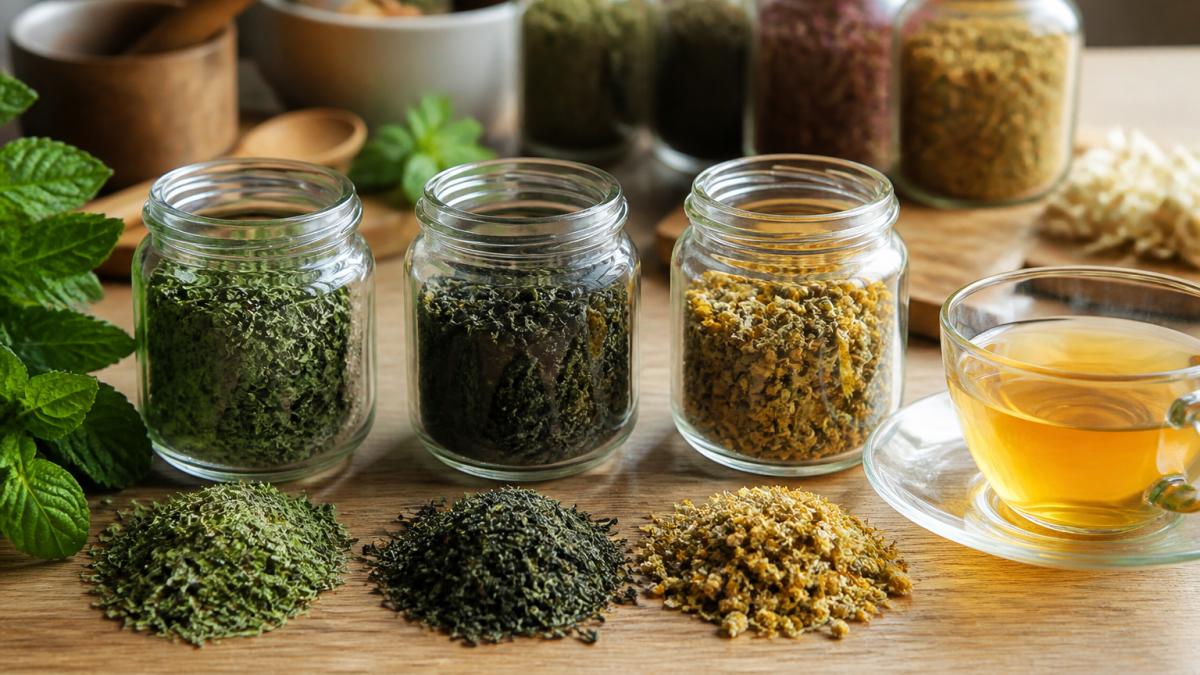
Spearmint tea has gained attention for PCOS and androgen-related symptoms. It contains compounds that may interact with hormone metabolism. The key is consistency: drink 2 cups daily for at least 2-3 months before expecting noticeable changes.
Other options include green tea (for metabolic support) and chasteberry (for cycle regularity). Herbal teas work best paired with sleep, stress management, and balanced nutrition, not as standalone solutions. Speak with your healthcare provider before adding herbal teas if you take medications affecting hormone metabolism.

Tea for Menopause Symptoms: Which Herbs May Help
Menopause shifts oestrogen levels, affecting temperature, mood, and sleep. Red clover and sage tea are the most researched options. Sage has long traditional use for temperature regulation; red clover contains isoflavones that may support hormonal balance, though evidence is mixed.
Licorice root tea may support menopause comfort by aiding the body's stress response, easing fatigue and mood shifts.
Try one tea consistently for 4-6 weeks before evaluating. Menopause is individual; keep a simple symptom log. If symptoms persist or worsen, consult your GP.
Can Tea Balance Hormones? What Research Tells Us
Herbal tea can support hormonal health but doesn't "balance" hormones like medication does. Evidence varies by herb and outcome, and most comes from concentrated supplements or extracts, not brewed tea.
Evidence Grading: What Actually Has Human Research
Not all herbal claims are equal. Here's what the research landscape actually looks like:
Spearmint and androgens (PCOS, acne): Small human trials show spearmint may reduce free testosterone and support cycle regularity. However, studies used extract capsules (100-200 mg daily), not brewed tea. A cup contains a fraction of that dose.
Green tea and metabolic health: Strong evidence for antioxidant compounds (catechins) in lab and animal studies.
Chasteberry (vitex) and cycle regularity: Traditional use is extensive; small studies support it for menstrual irregularity and PMS.
Licorice root and stress: Centuries of traditional use for adrenal and stress support. Modern research shows compounds that may influence cortisol, but human evidence is limited and mostly from extracts.
Red clover and menopause: Some trials suggest isoflavones may ease hot flushes, but results are mixed. Most studies used extract (40-80 mg daily), not tea. Brewed dose is much lower.
Sage and menopause: Strong traditional use; small trials suggest extract may reduce hot flush frequency and severity. Brewed tea is less rigorously studied.
Why Tea ≠ Supplement: Dose and Bioavailability Matter
Researchers typically test standardised extracts with known active compound concentrations. Brewed tea is a whole-plant infusion with variable potency depending on leaf quality, steeping time, plant part, and growing conditions. A standardised capsule contains a guaranteed dose (e.g., 100 mg); a cup of tea might contain 10-50 mg. Tea is gentler and lower-risk but less potent. For stronger support, a supplement may be more effective.
What Tea Can Actually Do
Herbal tea provides botanical compounds that may influence hormone production and metabolism, not hormones themselves. Evidence is real but modest. For PCOS-related acne with spearmint, evidence is encouraging. For red clover and menopause, evidence is mixed. For marjoram and menstrual cramping, evidence is mostly traditional.
Realistic Expectations
Herbal tea works best when you:
- Choose an herb with evidence for your specific concern (not a general "hormone balance" claim).
- Use it consistently for at least 6-8 weeks (many effects take time).
- Combine it with lifestyle practices: sleep, stress management, balanced nutrition, and movement.
- Understand that tea is a complement to, not a replacement for, medical care.
- Track your own response, keep notes on symptoms, energy, and mood to see if you notice a difference.
If you're managing a diagnosed condition like PCOS or menopause, discuss herbal tea with your GP. They can help you choose options that won't interact with your medications and can monitor whether the tea is genuinely helping or whether you need additional support.
Spearmint Tea for PCOS and Hormonal Health
Spearmint tea stands out for PCOS because of its action on androgen metabolism. Use dried spearmint leaves (not fresh mint); steep 1 teaspoon for 5-7 minutes. Two cups daily is standard, spread throughout the day. Consistency is essential, many women see changes only after 2-3 months of daily use. Commit to at least 12 weeks before evaluating effectiveness.
Spearmint tea can taste strong. If off-putting, blend it with chamomile or green tea for palatability. A blend you enjoy is more sustainable than a perfect tea you dread.
Ashwagandha KSM-66 Capsules with L-Theanine & Vitamin B6 →
Safety, Preparation and When to Seek Medical Advice
Herbal teas are generally safe, but safety depends on your health, medications, life stage, and hormone-sensitive conditions. "Natural" does not mean "safe for everyone."
Safety by Life Stage
Pregnancy: Avoid spearmint (may affect androgens), chasteberry (may stimulate cycle), licorice root (may affect blood pressure; high doses linked to preterm labour), sage (may stimulate contractions), and marjoram.
Breastfeeding: Most herbal teas pass into breast milk in small amounts. Avoid chasteberry and licorice root. Spearmint, green tea, and sage are generally acceptable, but check with your GP or health visitor before regular use. Stop if your baby shows unusual symptoms.
Menstruating and Cycling Women: Most herbal teas for hormonal support are safe for women with regular cycles.
Postmenopausal Women: Generally safe. If you have a history of oestrogen-sensitive breast cancer, discuss red clover and sage with your oncologist, as they contain phytoestrogens.
Safety by Condition
PCOS: Spearmint tea is often recommended for PCOS, but if you take medications that affect androgen levels (like spironolactone), discuss spearmint with your GP before adding it regularly.
Thyroid Conditions: High-dose green tea (more than 3-4 cups daily) may interfere with thyroid function.
Blood Pressure or Heart Conditions: Licorice root can raise blood pressure and affect electrolytes, particularly with regular use.
Hormone-Sensitive Cancers: If you have a history of oestrogen-sensitive breast cancer, ovarian cancer, or endometrial cancer, discuss any herbal tea with your oncologist. Red clover and sage contain phytoestrogens.
Liver or Kidney Disease: Some herbal compounds are processed by the liver or excreted by the kidneys.
Medication Interactions
Key interactions include: spearmint (androgen-level and blood-thinning medications), green tea (blood-thinning and cancer medications; iron absorption), licorice root (blood pressure, diuretics, corticosteroids), chasteberry (dopamine-affecting and hormone medications), and sage (blood-sugar and sedative medications). Mention herbal tea use to your GP at your next appointment, interactions are real, though often manageable.
Preparation for Safety and Effectiveness
Source: Use dried herbs from reputable suppliers, established brands, health food shops with good turnover, or certified organic suppliers. Avoid foraged herbs unless certain of identification.
Water Temperature: Most herbal teas steep best at 95-100°C for 5-10 minutes. Steeping longer than 10 minutes can make tea bitter and extract unwanted compounds.
Quantity: A standard serving is 1 teaspoon of dried herb per cup (250 ml) of water. For spearmint, use 1-2 teaspoons per cup.
Frequency: Most herbal teas are safe daily. Licorice root should not exceed 1 cup daily long-term without medical supervision.
Storage: Keep dried herbal teas in airtight containers away from direct sunlight, heat, and moisture. Properly stored, dried herbs retain potency for 6-12 months.
When to Seek Medical Advice
Herbal tea is not a substitute for diagnosis and treatment. Seek medical advice if:
- You have a diagnosed hormonal or reproductive condition (PCOS, endometriosis, thyroid disease, irregular cycles) and want to add herbal tea. Your GP needs to know and can advise on safety and interactions.
- You take any regular medication. Mention herbal tea use at your next appointment, even if it seems minor.
- You are pregnant or breastfeeding. Check with your midwife or GP before using any herbal tea regularly.
- Symptoms persist or worsen after 2-3 months of consistent use. Herbal tea is a complement, not a cure. If your symptoms aren't improving, you may need medical evaluation to rule out underlying conditions.
- You experience new or unusual symptoms after starting an herbal tea (rash, digestive upset, dizziness, mood changes, irregular heartbeat). Stop the tea and contact your GP.
- You have severe or persistent symptoms (heavy bleeding, severe pain, significant mood changes, unexplained fatigue). These warrant clinical assessment regardless of herbal tea use. Don't delay seeking care hoping tea will help.
- You're considering herbal tea as a substitute for prescribed treatment. Herbal tea can complement medical care, but it cannot replace it. If you're thinking of stopping a medication in favour of tea, discuss this with your GP first.
A Practical Approach
Start with one herbal tea. Use it consistently for 6-8 weeks. Keep simple notes: date, time of day, any symptoms or changes you notice (energy, mood, cycle regularity, sleep quality). This helps you understand whether the tea is genuinely working for you. If it is, continue. If not, try a different herb or discuss other options with your GP. If you're managing a specific condition, work with your healthcare provider to integrate herbal tea safely into your care plan. Your hormonal health deserves an informed, evidence-based approach.
Frequently Asked Questions
What herbal tea is best for hormonal support?
Spearmint tea and green tea are among the most researched herbal options for hormonal support. Spearmint may help with androgen-related concerns, and green tea contains compounds that support metabolic health. The best choice depends on your specific health goals and any existing conditions. Always consult a healthcare professional before starting a new herbal routine.
Can tea balance hormones?
Herbal teas can support hormonal health as part of a broader wellness routine, but they are not a treatment or cure for hormone imbalances. Plant compounds in teas like spearmint and green tea may help support normal hormonal function when consumed regularly over weeks or months. However, hormonal imbalances often require medical evaluation and personalised treatment. Use herbal teas as a complementary support alongside professional medical advice, not as a replacement for it.
Is spearmint tea good for PCOS?
Spearmint tea is one of the most studied herbal teas for polycystic ovary syndrome (PCOS) support. Some research suggests that regular consumption of spearmint tea may help support normal androgen levels and menstrual regularity in people with PCOS. Most studies involve drinking 2 cups daily for several weeks or months. While the evidence is promising, spearmint tea works best as part of a comprehensive approach including diet, exercise and medical supervision. Speak with your healthcare provider before adding it to your routine.
What tea helps with menopause symptoms?
Several herbal teas may help support comfort during menopause, including red clover, sage and green tea. Red clover contains plant compounds traditionally associated with menopause support, whilst sage tea is used in some cultures for specific menopause-related concerns. Green tea provides antioxidants that support overall wellness. Results vary between individuals and typically emerge after consistent use over weeks. Always discuss herbal teas with a healthcare professional, especially if you are taking hormone-related medication.

