



Table of Contents
- How Gut Health and Hormonal Balance Connect
- The Estrobolome: How Your Gut Microbiome and Oestrogen Interact
- Hormone Imbalance and Digestive Issues: Why They Occur Together
- Cortisol, Insulin and the Gut-Brain Connection
- Foods That Support Gut Health and Hormone Stability
- Probiotics and Hormone Balance: What the Evidence Shows
- Testing, Timelines and When to Seek Medical Advice
- Frequently Asked Questions
Last Updated: October 9, 2026
How Gut Health and Hormonal Balance Connect
Your gut microbiome regulates gut health hormonal balance far more directly than most people realise. When it doesn't, hormonal chaos often follows. (Source: the estrobolome's role in oestrogen metabolism)
Many people chasing hormonal stability overlook the foundation: gut health. They try countless supplements without addressing what's happening in their intestines. Your gut microbiome, the trillions of bacteria in your digestive tract, directly influences oestrogen levels, cortisol metabolism and insulin sensitivity.
This connection between gut health hormonal balance operates through several pathways. The most researched is the estrobolome, how gut bacteria process oestrogen, but your gut also influences cortisol, insulin, progesterone, thyroid hormones and androgens.
Below, we cover how your gut microbiome regulates hormones, which imbalances cause common problems, and what you can do about it, including when to seek medical advice rather than relying on supplements alone.
The Estrobolome: How Your Gut Microbiome and Oestrogen Interact
The estrobolome is the collective genetic material of gut bacteria that process oestrogen. Your liver breaks down oestrogen and sends it to your intestines for elimination, but specific bacteria contain an enzyme called beta-glucuronidase, which can reactivate oestrogen before it leaves your body.
Beta-Glucuronidase and Estrogen Reactivation
Beta-glucuronidase splits oestrogen molecules, allowing them to be reabsorbed into your bloodstream instead of eliminated. This recycling is normal and necessary for healthy oestrogen levels; problems emerge with too much beta-glucuronidase activity or too little microbial diversity.
When gut bacteria are imbalanced, excessive oestrogen reactivation contributes to oestrogen dominance, where oestrogen stays elevated relative to progesterone, causing heavy or painful periods, breast tenderness, mood swings and water retention. Conversely, insufficient bacterial diversity can mean oestrogen isn't recycled efficiently, causing hot flushes, vaginal dryness and low mood.
The estrobolome's function depends entirely on having the right balance of bacteria. Dysbiosis, an imbalance in your gut microbiome, directly undermines oestrogen metabolism.
Dysbiosis and Hormonal Imbalance
Dysbiosis occurs when gut bacteria lose diversity or harmful bacteria outcompete beneficial ones. Common causes include antibiotics, processed-food-heavy diets, chronic stress and inadequate sleep. Several hormonal consequences follow.
First, you lose bacterial strains that produce beta-glucuronidase and other enzymes needed for oestrogen recycling. Second, your intestinal barrier weakens: dysbiotic bacteria produce fewer short-chain fatty acids to fuel gut lining cells, allowing lipopolysaccharides (LPS) from gram-negative bacteria to leak into your bloodstream, triggering low-grade inflammation that interferes with hormone signalling.
The result is a cascade: dysbiosis leads to poor oestrogen metabolism, compounding hormonal imbalance, which worsens digestion further. Breaking it requires restoring microbial diversity and gut barrier integrity over weeks and months.
Hormone Imbalance and Digestive Issues: Why They Occur Together
Hormonal imbalance and digestive problems are often two sides of the same coin, but the relationship is hormone-specific.
Progesterone and gut motility. Progesterone relaxes smooth muscle, including your intestinal wall, slowing transit.
Oestrogen and bile, stomach acid and transit. Oestrogen influences bile secretion and stomach acid production, both needed to break down food and absorb fat-soluble nutrients.
Thyroid hormones and metabolic rate. Thyroid hormones set the pace of metabolism, including gut motility.
Androgens and the gut. Androgens such as testosterone influence the gut barrier, microbiome composition and inflammation.
Why the relationship runs both ways. Poor digestion worsens hormonal imbalance as well as reflecting it. Without proper nutrient absorption, you cannot produce hormones efficiently.
"Hormonal imbalance" is not one condition. A luteal-phase constipation pattern, persistent unexplained constipation and PCOS-related symptoms point in different directions and warrant different conversations with a clinician. Tracking symptoms against your cycle beats guessing.
Cortisol, Insulin and the Gut-Brain Connection
Beyond oestrogen, your gut microbiome regulates two hormones that profoundly affect your daily wellbeing: cortisol and insulin.
The gut-brain axis is a bidirectional communication network between your central nervous system and gastrointestinal tract. Your gut bacteria produce neurotransmitters, serotonin, dopamine and GABA, that influence stress perception and mood.
Low serotonin and GABA increase stress perception, so your brain interprets more situations as threatening and triggers a stronger cortisol response. Elevated cortisol then damages your gut barrier, kills beneficial bacteria and promotes dysbiosis, a self-reinforcing cycle.
Insulin sensitivity is similarly affected. A healthy microbiome produces short-chain fatty acids (particularly butyrate) when you consume fibre, nourishing intestinal cells and improving insulin sensitivity.
Probiotic capsules for Women | 14 Strains, 100 Billion CFU | Pure Vitamins UK →
This is why addressing gut health often improves energy, mood and metabolic stability simultaneously: you're fixing the root cause, not three separate problems. (Source: the gut microbiome's influence on other hormones)
Foods That Support Gut Health and Hormone Stability
Your diet is the most direct tool for reshaping your microbiome. The bacteria in your gut eat what you eat. Feed them fibre, polyphenols and fermented foods, and they thrive.
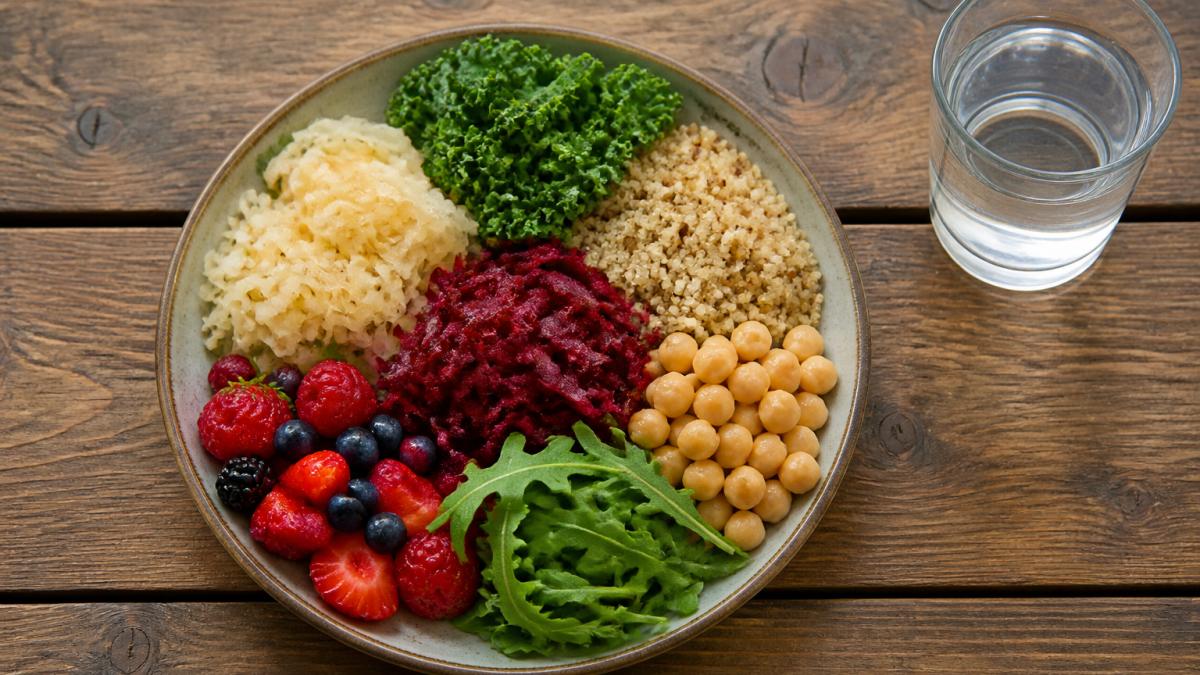
Fibre is the most important nutrient for microbiome health. Soluble fibre (oats, beans, apples, root vegetables) feeds beneficial bacteria directly; aim for 25-35 grams daily from whole foods rather than supplements alone.
Fermented foods like sauerkraut, kimchi, kefir, tempeh and miso contain live bacteria and organic acids that support a healthy microbiome; include small amounts daily.
Equally important is what you limit. Ultra-processed foods, refined sugars and seed oils promote dysbiotic bacteria; excessive alcohol disrupts the microbiome; and NSAIDs like ibuprofen damage the gut barrier.
Probiotics and Hormone Balance: What the Evidence Shows
Probiotics, live beneficial bacteria, are often promoted as a cure-all for hormonal imbalance. The reality is more nuanced. Probiotics can help, but only under specific conditions, and strain selection matters enormously.
The evidence for probiotics in hormonal health is emerging but not definitive. Some studies suggest specific strains improve oestrogen metabolism and reduce oestrogen dominance symptoms, with Lactobacillus and Bifidobacterium appearing most relevant.
What probiotics do reliably is restore microbial diversity after dysbiosis, particularly following antibiotic use, food poisoning or a period of very poor diet.
The Pure Vitamins UK Probiotic Capsules for Women contain 14 strains and 100 billion CFU, paired with prebiotic inulin to feed the cultures once they arrive in your gut.

For most people, probiotics work best as part of a broader strategy: improving diet, managing stress, sleeping adequately and addressing underlying dysbiosis.
Testing, Timelines and When to Seek Medical Advice
Most articles on the gut-hormone connection skip the two questions readers actually have: how do I know what's going on, and how long should this take? This section addresses both, and is deliberately cautious about what testing can and cannot tell you.
What clinicians may assess
If you suspect a hormonal issue, your GP is the sensible first stop. Depending on your symptoms and history, they may arrange:
- Blood tests for thyroid function (TSH, usually with free T4, and free T3 or thyroid antibodies where indicated). Thyroid problems are common, treatable and easily missed.
- Reproductive hormone tests (oestradiol, progesterone, FSH, LH, and sometimes testosterone or SHBG). Timing matters: these are usually interpreted against your cycle day, and a single random sample can be misleading.
- Metabolic markers such as fasting glucose, HbA1c and a lipid profile, particularly if PCOS or insulin resistance is suspected.
- Vitamin and mineral status where deficiency is plausible (for example vitamin D, B12, ferritin), since these affect energy, mood and hormone production.
- Referral to a gynaecologist, endocrinologist or registered dietitian if symptoms are complex, persistent or suggest a specific condition.
What commercial tests can and cannot tell you
Direct-to-consumer hormone and microbiome tests are widely marketed, so be clear-eyed about them.
- Saliva and dried urine hormone tests can show patterns across a cycle that a single blood draw misses, and some clinicians find them useful. But results vary between laboratories, reference ranges aren't standardised, and interpretation needs clinical context. They're a tool, not a diagnosis.
- Stool "microbiome analysis" tests can describe bacterial diversity and the presence or absence of certain groups, but their clinical relevance is still debated. Two people with similar results can have very different symptoms, and the same person's results can shift within weeks. Most practitioners use them, if at all, to guide dietary and lifestyle changes rather than diagnose.
- No test currently tells you your "hormonal balance" in a single number. Anyone claiming otherwise is overselling.
If you're considering a private test, ask the practitioner how the result would change their recommendations. If the answer is "not much", it's probably not worth the cost.
Realistic timelines
Your microbiome doesn't shift in days, and hormones don't rebalance in weeks.
- Microbiome composition: meaningful changes in bacterial populations typically take around 4-8 weeks of consistent dietary change, and longer for durable shifts.
- Digestive symptoms: many people notice improvements in bloating, regularity or comfort within 2-4 weeks of consistent changes, though this varies.
- Hormonal symptoms: changes in energy, mood, cycle regularity or skin often take 2-3 months, sometimes longer, because they depend on cumulative effects rather than a single switch.
- Supplements and probiotics: give a fair trial of at least 8-12 weeks before concluding something is not working, unless you experience side effects.
It's worth being honest about what the evidence supports. The mechanisms linking the gut microbiome to oestrogen metabolism, cortisol regulation and insulin sensitivity are well described, with reasonable human evidence for some. But evidence that a specific probiotic strain, diet or supplement reliably changes hormone levels or resolves hormonal symptoms in humans is much thinner, often based on small or short studies. The honest position: support your gut, track your symptoms, and don't expect a single product to fix a hormonal problem on its own.
When to seek medical advice
See your GP rather than self-treating if you have:
- Very heavy, painful or irregular periods, or bleeding between periods.
- Persistent fatigue, unexplained weight change, hair thinning or skin changes.
- Symptoms suggesting thyroid problems (for example, feeling cold, constipation, low mood, or the opposite).
- Diagnosed or suspected PCOS, endometriosis, or another hormonal condition.
- Plans to start hormonal contraception, HRT, or to stop either.
- Pregnancy or breastfeeding, where supplement and medication advice needs to be personalised.
- Severe or worsening digestive symptoms, blood in the stool, or unintentional weight loss.
Your GP can arrange appropriate tests, rule out other conditions and refer you on if needed. Supplements and dietary changes can support that process, but they're not a substitute for it.
Frequently Asked Questions
How does gut health affect hormonal balance?
Your gut microbiome produces metabolites and enzymes that influence how hormones like oestrogen are processed and recycled. The estrobolome, the collective genes of bacteria that metabolise oestrogen, works with your intestinal barrier to regulate hormone levels. When gut bacteria diversity declines (dysbiosis), this process breaks down, leading to oestrogen accumulation or depletion, which then disrupts menstrual cycles, mood, energy and skin. Gut dysbiosis also weakens the intestinal barrier, triggering inflammation that interferes with cortisol and insulin regulation, compounding hormonal imbalance.
Can an unhealthy gut cause hormone imbalance and digestive issues at the same time?
Yes. Dysbiosis simultaneously disrupts both hormone metabolism and digestive function. Poor bacterial diversity reduces the production of short-chain fatty acids that fuel gut cells, weakening the intestinal barrier. This allows bacterial lipopolysaccharides to enter the bloodstream, triggering systemic inflammation that impairs both hormone elimination and nutrient absorption. The result is often bloating, irregular bowel movements, and hormonal symptoms like irregular periods or mood swings occurring together, not by coincidence, but because the same underlying dysbiosis drives both.
What is the estrobolome and why does it matter for oestrogen levels?
The estrobolome is the collection of genes in your gut bacteria that encode enzymes responsible for oestrogen metabolism. Specifically, the enzyme beta-glucuronidase reactivates oestrogen so it can be reabsorbed in the intestine rather than excreted. When you have diverse, healthy bacteria, this recycling works efficiently. When dysbiosis reduces bacterial diversity, beta-glucuronidase activity drops, oestrogen elimination increases, and oestrogen levels fall, potentially triggering hot flushes, low mood and irregular periods. Conversely, overgrowth of certain bacteria can cause excessive reactivation, leading to oestrogen dominance and symptoms like breast tenderness and water retention.
Do probiotics really help balance hormones?
Probiotics support hormonal balance by restoring bacterial diversity and increasing short-chain fatty acid production, which strengthens the gut barrier and reduces inflammation. Specific strains like Lactobacillus and Bifidobacterium have been studied for their role in oestrogen metabolism and immune signalling. However, research is still emerging; probiotics are not a standalone treatment for hormonal imbalance. They work best as part of a broader approach including fibre, stress management and, if needed, medical investigation. If you have significant hormonal symptoms, speak to your GP before relying on probiotics alone.

