


News
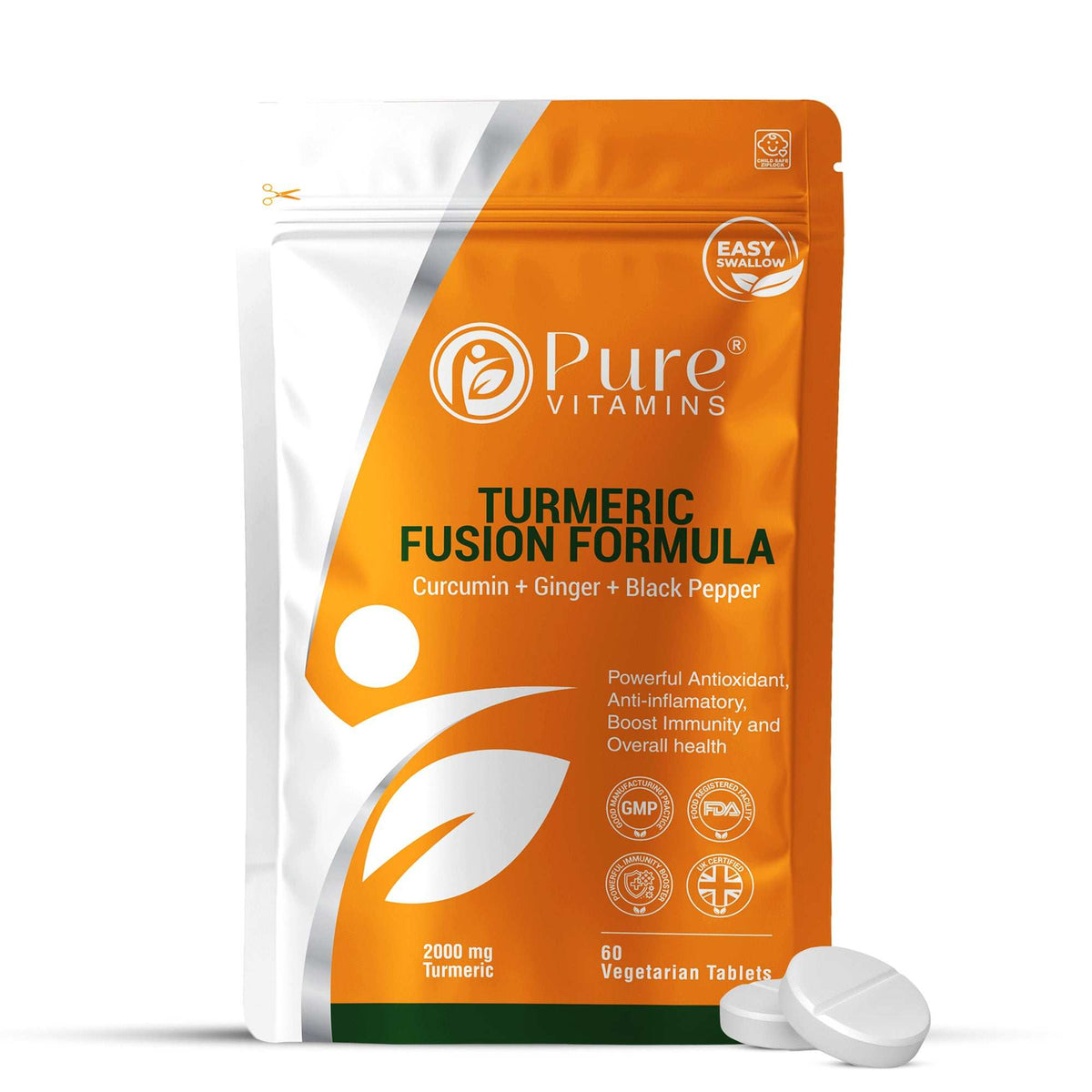
What Is Piperine and What Does It Do?
What piperine is: the main bioactive alkaloid in black pepper. In a turmeric supplement its job is to improve absorption of curcumin, which the body otherwise takes up poorly and clears quickly. The composition and absorption science behind the pairing.
Learn more
Why Does Turmeric Need Black Pepper?
Why turmeric supplements include black pepper: piperine, the active compound in pepper, supports the absorption of curcumin, which is otherwise poorly absorbed. The ratio that matters, and why dietary fat helps too.
Learn more
Magnesium Glycinate — What the Peer-Reviewed Research Actually Shows
Reviewed and updated: 24 July 2026 Magnesium glycinate is the form I point most people towards for everyday use, and the honest, research-backed reason is simple: it is one of the best-absorbed and gentlest forms of magnesium, and the human studies are most convincing when someone was running a little low to begin with. Here is what the research genuinely shows, warts and all, with working links, so you can weigh it up for yourself. Magnesium glycinate: what the peer-reviewed research actually shows In plain terms, magnesium glycinate is magnesium bound to the amino acid glycine, and that pairing is what helps it absorb well and sit gently on the stomach. The effects reported in the studies are real but modest, the trials are often small, and the clearest benefits show up in people who started with a low intake. Magnesium itself is an essential mineral your body genuinely runs on, which is the real reason it is worth choosing a good form rather than the cheapest tub on the shelf. The short version What it is: magnesium chelated to glycine, well absorbed and easy on the gut. Absorption: chelated and citrate forms absorb better than cheap oxide. Where the evidence is strongest: topping up a low intake, with the clearest signals around sleep, muscle and the nervous system. What magnesium does: it contributes to normal muscle function, the normal functioning of the nervous system, normal psychological function, energy-yielding metabolism and the reduction of tiredness and fatigue. Sensible ceiling: keep supplements to about 350 mg of magnesium a day; the magnesium in food is separate. Why magnesium matters in the first place Magnesium is one of the hardest-working minerals in the body, a cofactor in over 300 enzyme reactions covering energy metabolism, protein synthesis and muscle contraction, and it helps steer the calcium signalling behind nerve transmission and muscle relaxation. Yet a good share of UK adults do not reach the recommended intake from food alone, which is the down-to-earth reason so many people end up considering a supplement. Why the form you choose matters Not all magnesium behaves the same once you swallow it; the form decides how much is absorbed and how kindly your gut takes it. A 2025 bioavailability review found magnesium citrate and chelated forms are well absorbed, while magnesium oxide, the cheap filler in a lot of budget products, is poorly absorbed because it barely dissolves (Merschmann et al., 2025, DOI). Glycinate is magnesium chelated with glycine, and that gentle bond is what helps the mineral get through and keeps it comfortable; a pilot study found the glycinate form lifted magnesium status without the diarrhoea that trips people up on harsher forms (DiSilvestro et al., 2013, DOI). Sleep: what the research shows Magnesium is a favourite for evening routines, and the fair way to describe the evidence is supportive but gentle. In a randomised study of adults over 51 with poor sleep, magnesium improved their magnesium status and their sleep-quality scores, though sleep also improved on placebo, which is an honest reminder that a wind-down routine matters too (Nielsen and Johnson, 2010, DOI). A more recent randomised, placebo-controlled trial in healthy adults sleeping poorly found magnesium bisglycinate produced a modest, statistically significant improvement in self-reported sleep over four weeks, with the researchers themselves calling the effect small (Schuster et al., 2025, DOI). The pattern across the work is consistent: the lift tends to be clearest in people who were low to start with. There is more in our guide to the best magnesium for an evening routine. Stress and the nervous system Magnesium contributes to the normal functioning of the nervous system and to normal psychological function, and a handful of small studies have poked at this. Magnesium bisglycinate nudged heart-rate variability toward a calmer, more relaxed profile in healthy active adults (Brilla et al., 2010, DOI), and in stressed but otherwise healthy people who were low in magnesium, topping up, especially alongside vitamin B6, improved their self-reported stress scores (Noah et al., 2021, DOI). These are small, early studies about the mineral, worth knowing but not a guarantee of how you will feel. Muscle function and everyday energy Some of magnesium's most solid roles are the recognised ones: it contributes to normal muscle function, normal energy-yielding metabolism, normal protein synthesis, the maintenance of normal bones and teeth, and the reduction of tiredness and fatigue. It sits right at the centre of ATP, the energy currency every cell spends, and a low intake tracks in the literature with feeling tired and flat. The malate form (magnesium joined to malic acid, a step in the body's own energy cycle) is often chosen with that energy angle in mind, which is exactly why triple-form products bring glycinate, malate and citrate together. For the muscle side, see what magnesium is good for muscle function. How much, and the upper limit UK reference intakes sit around 300 mg a day for adult men and 270 mg for adult women, while the label reference value you will see on packs is 375 mg. The number to actually keep in mind is the supplement ceiling: about 350 mg of magnesium a day from supplements, set because higher supplemental doses tend to loosen the stools. That ceiling does not apply to the magnesium naturally in your food. Gentle chelated forms such as glycinate are consistently the better-tolerated choice at the same dose. There is more background in our piece on why the research behind a supplement matters. Tolerability, interactions and who should take care Most people get on well with magnesium at sensible doses; the usual grumble with poorly absorbed forms is loose stools. A few things are worth knowing: magnesium can blunt the absorption of certain antibiotics (tetracyclines and quinolones) if taken at the same time, so space them apart by a few hours; anyone with significant kidney disease should only supplement under medical advice; and if you are pregnant, breastfeeding, taking medication or managing a health condition, have a quick word with your GP or pharmacist first. You can compare forms in glycinate vs citrate and which magnesium is gentlest on the stomach. The honest bottom line The published work on magnesium glycinate lines up nicely: it is among the best-absorbed and best-tolerated forms, the evidence is strongest for correcting a low intake and around sleep and muscle, and it thins out the further you get from those. If your intake is on the low side, the form genuinely matters, and the research keeps pointing to chelated forms like glycinate for both absorption and comfort. If you are already getting plenty, expect a subtler difference. For a straight buying checklist, see what to look for in a magnesium supplement. How our magnesium fits Our Magnesium Glycinate 3-in-1 brings glycinate, malate and citrate together and declares every dose on the label. Magnesium contributes to normal muscle and nervous-system function, normal psychological function and the reduction of tiredness and fatigue. It is formulated in the UK and tested for purity and heavy metals at our GMP-certified facility. You can browse the wider range on the Pure Vitamins UK home page. View Magnesium Glycinate Frequently asked questions Is magnesium glycinate the best form? For daily use it is a strong default, because it is well absorbed and gentle on the stomach. Citrate is also well absorbed but more laxative at higher doses, while oxide is poorly absorbed. The best form depends on your priority, but glycinate suits most people. What does the research actually support? The clearest evidence is for correcting a low magnesium intake, with the strongest signals around sleep and muscle and nervous-system function. Effects are generally modest and most apparent in people who started low. How much magnesium glycinate should I take? Around the label reference value is sensible, and supplemental magnesium has a UK guidance ceiling of about 350 mg a day to avoid loose stools. Follow the product label and do not exceed it. Is magnesium glycinate safe in pregnancy? Magnesium is an essential nutrient, but pregnant women should always check with their GP or midwife before starting any supplement, including magnesium. This article is for general information and education, not medical advice. Food supplements are not a substitute for a varied, balanced diet and a healthy lifestyle. If you are pregnant, breastfeeding, taking medication or managing a health condition, speak to your GP or pharmacist before starting a new supplement. Dr. Miron, Founder of Pure Vitamins UK.
Learn more
Best Magnesium Supplements UK: What to Look For Before Buying
Reviewed and updated: 23 July 2026 Best magnesium supplements UK: what to look for before buying The best magnesium supplements UK shoppers can buy come down to three things: a well-absorbed form (glycinate, malate or citrate rather than cheap oxide), a meaningful elemental magnesium dose stated clearly on the label, and a clean, transparent formula made to a recognised standard. Magnesium is an essential mineral your body draws on for muscle and nerve signalling, energy and much more, and because many of us do not get quite enough from food, it is one of the most popular everyday top-ups. Let me walk you through exactly what to check before you buy, what the research shows, the sensible dose and upper limit, and who should take care. The quick answer What to look for: a well-absorbed form (glycinate/bisglycinate, malate, citrate), the elemental magnesium amount per serving (not just the compound weight), and a clean, GMP-made formula. Who it is for: adults who want to top up magnesium intake; magnesium contributes to normal muscle function, the nervous system, and the reduction of tiredness and fatigue. Key caution: high doses of supplemental magnesium can cause loose stools; UK guidance puts the supplemental upper level around 400 mg a day. More is not better. Elemental magnesium: the number that actually matters The single most useful check when comparing magnesium supplements is the elemental magnesium per serving. A label might say "1,800 mg magnesium bisglycinate," but only a fraction of that compound weight is magnesium itself. Reputable products state the elemental figure. The UK reference intake (NRV) for magnesium is 375 mg, and our Magnesium Glycinate 3-in-1 provides 384 mg of elemental magnesium across three forms, so you can compare like with like. For the trials behind the glycinate form specifically, see what the peer-reviewed research on magnesium glycinate shows. Which magnesium form is best absorbed? Form affects both absorption and tolerability. Organic forms such as magnesium glycinate (bisglycinate), magnesium malate and magnesium citrate are generally well absorbed and gentler on the stomach than magnesium oxide, which is cheap but poorly absorbed and more likely to loosen stools. Glycinate (magnesium bound to the amino acid glycine) is a popular premium choice for everyday use; citrate is well studied; malate is favoured by some for daytime use. A triple-form blend aims to combine these strengths. For a deeper comparison see magnesium glycinate vs citrate and which magnesium is gentlest on the stomach, and if you are unsure whether glycinate and bisglycinate are two different forms at all, our guide to magnesium glycinate compared with bisglycinate settles the naming. What magnesium does in the body Magnesium is a mineral your body genuinely relies on, and at a meaningful amount it earns its place for well-understood reasons. Magnesium contributes to normal muscle function, to the normal functioning of the nervous system, to a reduction of tiredness and fatigue, to normal psychological function, to electrolyte balance, to normal energy-yielding metabolism, and to the maintenance of normal bones and teeth. Those are the honest, everyday reasons to consider topping up. What the research shows on magnesium and sleep Magnesium and sleep is one of the most searched topics, so here is the honest picture, framed as science. Based on research retrieved from PubMed, a 2025 randomised, double-blind, placebo-controlled trial in 155 healthy adults reporting poor sleep found that magnesium bisglycinate (250 mg elemental daily) produced a modestly greater reduction in Insomnia Severity Index scores than placebo over four weeks, though the effect size was small (Schuster et al., 2025, DOI). Based on further research retrieved from PubMed, a 2021 systematic review and meta-analysis of three RCTs in 151 older adults found magnesium shortened time to fall asleep by about 17 minutes versus placebo, while total sleep time did not reach significance and the authors rated the overall evidence as low quality (Mah & Pitre, 2021, DOI). In short, the evidence is modest and mixed rather than conclusive, so I would treat magnesium as a supportive part of a wind-down routine. See best magnesium for sleep for the fuller picture. How much magnesium should you take, and the upper limit For most adults a supplement providing around the 375 mg NRV is sensible, ideally alongside magnesium-rich foods. There is a recognised caution on supplemental magnesium: UK expert guidance (EVM) sets a safe upper level of around 400 mg per day for supplemental magnesium in adults, above which loose stools become more likely (this refers to magnesium added to food and supplements, not magnesium naturally present in food and water). Well-absorbed forms like glycinate tend to be gentler at a given dose. Take with food if you have a sensitive stomach, and split the dose if needed. If your appetite is small and you are eating much less than usual, the form and the timing both matter more than they normally would, and I go through that in which magnesium is best when you are eating less. Natural food sources and signs you may be low Magnesium is found in wholegrains, nuts and seeds (pumpkin seeds and almonds are rich), legumes, leafy greens and dark chocolate. Many UK adults sit below the recommended intake, and being low is non-specifically associated with muscle cramps, fatigue and disturbed sleep, though these overlap with many causes and cannot diagnose a shortfall on their own. A supplement is best seen as topping up intake, not as a treatment. A few cautions worth knowing Magnesium can interact with certain medicines, including some antibiotics (tetracyclines and quinolones) and bisphosphonates, where it may reduce absorption if taken at the same time, so separate them by a few hours. People with reduced kidney function should not take magnesium supplements without medical advice, as the kidneys regulate magnesium levels. If you are pregnant or breastfeeding, take regular medication, or manage a health condition, check with your GP or pharmacist first. The buyer's checklist Elemental magnesium clearly stated per serving (aim around the 375 mg NRV). Well-absorbed forms (glycinate/bisglycinate, malate, citrate) rather than mostly oxide. Clean formula, suitable for your diet (check vegetarian/vegan, allergens). Made in a GMP-certified facility and tested for purity and heavy metals at our GMP-certified facility. Honest labelling, with no exaggerated health promises. Where Pure Vitamins fits Our Magnesium Glycinate 3-in-1 combines three well-absorbed forms (glycinate, malate and citrate) for 384 mg of elemental magnesium per serving, formulated in the UK, made in a GMP-certified facility and tested for purity and heavy metals at our GMP-certified facility. For a related read, see what magnesium is good for muscle function, or browse the full range on our Pure Vitamins UK home page. View Magnesium Glycinate 3-in-1 Frequently asked questions Which magnesium is best? For everyday use, a well-absorbed form such as glycinate, malate or citrate; a triple-form blend combines their strengths. Avoid relying on oxide. How much magnesium per day? Around the 375 mg NRV for most adults; keep supplemental magnesium near or below about 400 mg a day to avoid loose stools. When should I take it? With food if your stomach is sensitive; timing is otherwise personal preference. Does magnesium help with sleep? Studies show modest, mixed effects on sleep, most relevant when dietary magnesium is low. Its clearest roles are supporting normal muscle and nervous-system function and the reduction of tiredness and fatigue, so it is best seen as part of a routine. Sources: clinical studies retrieved from PubMed (see linked DOIs). Food supplements should not be used as a substitute for a varied, balanced diet and a healthy lifestyle. This article is information, not medical advice. If you are pregnant, breastfeeding, have kidney problems, take medication or manage a medical condition, speak to your GP or pharmacist before starting a new supplement. Dr. Miron, Founder of Pure Vitamins UK. Related articles Magnesium glycinate vs citrate: which to choose Which magnesium is gentlest on the stomach? Best magnesium for sleep What magnesium is good for muscle function? What kind of magnesium to take with vitamin D3 and K2 Magnesium Glycinate 3-in-1 (triple-form complex)
Learn more