


Table of Contents
- What Insulin Resistance Actually Is
- Signs of Insulin Resistance to Watch For
- How to Improve Insulin Sensitivity Naturally
- Best Supplements for Metabolic Health
- Medical Treatments and When to Speak to Your GP
- Frequently Asked Questions
Last Updated: September 14, 2026
What Insulin Resistance Actually Is
Insulin resistance is a condition in which cells stop responding efficiently to insulin, the hormone that moves glucose from the bloodstream into tissues for energy. The pancreas releases more insulin to compensate, and blood sugar gradually creeps upward. This guide from Pure Vitamins UK explains what's happening inside the body, how to spot the warning signs, and what practical steps support metabolic health.
It sits behind much of what clinicians call metabolic syndrome, a cluster of features including raised fasting plasma glucose, increased liver fat, and altered blood lipids. It develops quietly over years, often without obvious symptoms, so many people only discover it through routine blood work.
How the Insulin Signalling Pathway Breaks Down
The insulin signalling pathway is the sequence of molecular events that allows insulin to trigger cellular uptake of glucose. Insulin binds to receptors on the cell surface, activating a cascade that moves glucose transporters to the membrane. When impaired, glucose stays in circulation instead of entering cells.
Several factors drive that impairment. Excess adipose tissue, particularly around the abdomen, releases inflammatory signals that interfere with insulin receptors, while fat accumulation in the liver worsens the problem. Over time, the pancreas works harder, a state known as hyperinsulinemia.
Insulin Resistance vs Type 2 Diabetes
Insulin resistance and type 2 diabetes are not the same thing, though the first usually precedes the second. In insulin resistance, cells respond poorly to insulin but blood sugar may still sit within range because the pancreas compensates. Type 2 diabetes is diagnosed when regulation fails despite that compensation.
The distinction matters because insulin resistance is reversible in many cases. Once fasting plasma glucose and HbA1c cross diagnostic thresholds, medical management becomes essential, so catching it earlier gives you far more room to act.
Signs of Insulin Resistance to Watch For
Most people with insulin resistance have no obvious symptoms, which is why it goes undetected for so long. When signs appear they tend to be subtle: fatigue after meals, afternoon difficulty concentrating, increased hunger, and stubborn weight around the middle.
Skin changes can offer clues. Some people notice darker, velvety patches in skin folds, particularly the neck, armpits, and groin, a condition clinicians call acanthosis nigricans, often alongside small fleshy skin tags. Others report frequent thirst, urinating more often (especially overnight), or blurred vision that comes and goes. None confirm anything alone, but a cluster is worth raising with your GP.
A less obvious pattern is the post-meal crash. Feeling sleepy, foggy, or irritable 60-90 minutes after eating, particularly after a carbohydrate-heavy meal, is a common early signal that glucose handling is under strain, easily dismissed as "normal tiredness".
Blood Markers Worth Asking Your GP About
Routine blood tests can reveal far more than most people realise. If you have concerns about your metabolic health, discuss these markers:
- Fasting plasma glucose, measures blood sugar after an overnight fast. In the UK, 5.6-6.9 mmol/L is typically classified as impaired fasting glucose (sometimes called pre-diabetes); 7.0 mmol/L or above on two occasions points towards a diabetes diagnosis (NICE).
- HbA1c, reflects average blood sugar over roughly the previous two to three months. A result of 42-47 mmol/mol is the standard pre-diabetic range; 48 mmol/mol or above meets the threshold for type 2 diabetes (What is HbA1c? | Blood Test | Target Levels).
- Fasting insulin, can flag hyperinsulinemia before glucose rises. This is not part of the standard NHS panel, so you may need to ask specifically and explain why.
- Lipid profile, raised triglycerides and low HDL often accompany insulin resistance, and are frequently the first abnormal result on a routine check.
- Liver function tests, can hint at fat accumulation in the liver (non-alcoholic fatty liver disease), which tracks closely with insulin resistance.
- Uric acid, elevated levels are increasingly recognised as a marker associated with metabolic dysfunction, though it is not routinely tested for this purpose.
Your GP can interpret results against your full history rather than a single number. Fasting glucose can swing day to day; HbA1c smooths that out but can be skewed by anaemia or recent illness. Your GP will weigh the pattern, not the snapshot.
What Monitoring Actually Looks Like
If you are diagnosed with pre-diabetes or type 2 diabetes, the NHS typically recommends an HbA1c check at least once a year, and more often if treatment is being adjusted. Some people are offered a fasting glucose test instead, or in addition.
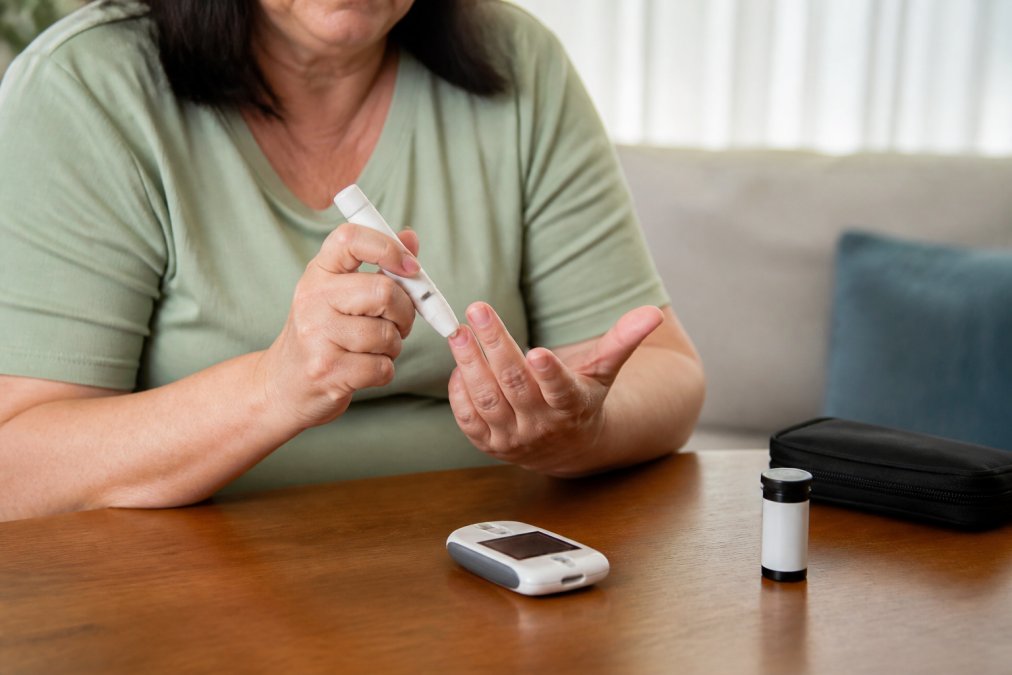
Home glucose monitoring is not routinely prescribed for everyone with insulin resistance, but it is increasingly used for people on insulin or certain medications, and some GPs support self-monitoring for lifestyle feedback. The useful pattern is the trend across days and how specific meals affect the numbers that follow. A reading of 7.8 mmol/L two hours after a meal is a commonly cited upper target; consistently higher readings are worth discussing with your GP rather than adjusting anything yourself.
When to Speak to Your GP
Book an appointment if you have several of the signs above, a family history of type 2 diabetes, or a personal history of gestational diabetes or polycystic ovary syndrome, both strongly associated with insulin resistance. The NHS Health Check, offered every five years to adults aged 40-74 in England, includes blood pressure, cholesterol, and a diabetes risk assessment, and is a sensible starting point if you have not been tested recently (the NHS).
How to Improve Insulin Sensitivity Naturally
The most effective natural approach to improving insulin sensitivity combines regular movement, better sleep, and consistent meal timing. No single change does the whole job, but together they address muscle glucose uptake, hormonal balance, and the body's daily rhythm.
Physical activity is the most direct lever. Muscle tissue pulls glucose out of the bloodstream during and after exercise, independently of insulin for a window afterward, a process sometimes called insulin-independent glucose uptake. Brisk walking after meals, resistance training two or three times a week, and breaking up long sitting periods all contribute. Even moving for two to three minutes every half hour has a measurable effect on post-meal glucose compared with sitting straight through.
Sleep and Circadian Rhythm: The Lever Most Guides Skip
Sleep is where most metabolic advice stops short, and it is arguably the most underrated input. A single night of restricted sleep, say four to five hours instead of seven to nine, can reduce insulin sensitivity in healthy adults the following day, even when diet and activity are unchanged. The effect compounds when short sleep becomes habitual.
The mechanism runs through several pathways. Short sleep raises overnight cortisol, which opposes insulin, and disrupts appetite-regulating hormones, ghrelin rises and leptin falls, so you feel hungrier and crave fast carbohydrate. It also reduces slow-wave sleep, the stage most strongly linked with overnight glucose regulation. The result is a body both more insulin resistant and more likely to reach for the foods that worsen it.
Circadian rhythm matters just as much as duration. Your body anticipates meals and releases insulin in a daily pattern, so eating late at night, when insulin sensitivity is naturally lowest, produces a larger glucose response than the same meal earlier in the day. Shift workers show this clearly: rotating night shifts are associated with higher rates of type 2 diabetes, independent of diet quality.
Practical steps that tend to help:
- Aim for seven to nine hours of sleep, with a consistent wake time, even at weekends, to anchor your circadian rhythm.
- Get bright light in the first hour after waking, ideally outdoors. Morning light exposure helps set the timing of the whole system.
- Dim lights and reduce screen brightness in the two hours before bed. Blue light late in the evening delays melatonin release and pushes your internal clock later.
- Keep the bedroom cool, dark, and quiet. A room temperature around 16-18°C is a common recommendation for sleep quality.
- Finish your last substantial meal two to three hours before bed. This is not about calorie restriction; it is about not asking your body to handle a glucose load when it is least equipped to.
- If you snore heavily, wake unrefreshed, or have been told you stop breathing in your sleep, ask your GP about a sleep apnoea assessment. Obstructive sleep apnoea is strongly associated with insulin resistance, and treating it can improve glucose control.
Meal Timing and the Eating Window
When you eat matters alongside what you eat. Eating within a consistent daily window, for example, 8am to 6pm, gives the body a longer overnight fast and aligns meals with the times of day when insulin sensitivity is naturally higher. This is not aggressive intermittent fasting and does not require skipping meals; it is simply about consistency.
A common pattern that works well is three meals and no grazing. Constant snacking keeps insulin elevated and removes the recovery windows the system needs. If you are hungry between meals, the issue is usually the composition of the previous meal rather than the gap itself.
Building Meals Around the Glycemic Index
The glycemic index ranks carbohydrate-containing foods by how quickly they raise blood sugar. Choosing lower-index options, and pairing carbohydrates with protein, fat, or fibre, blunts the postprandial glucose spike that follows a meal.
A practical way to build a plate:
- Half non-starchy vegetables
- A quarter protein, such as eggs, fish, or legumes
- A quarter slow-release carbohydrates, such as oats, barley, or lentils
- A source of healthy fat, such as olive oil or nuts
Lower-index swaps that make a real difference without changing the meal:
- White rice → basmati rice or pearl barley
- White bread → sourdough or a seeded wholegrain loaf
- Instant porridge → steel-cut oats
- Fruit juice → whole fruit
- Sugary breakfast cereal → Greek yoghurt with berries and nuts

Best Supplements for Metabolic Health
No supplement replaces the fundamentals of movement, sleep, and diet, but certain micronutrients play recognised roles in normal energy-yielding metabolism. The best supplements for metabolic health have authorised claims, transparent dosing, and well-absorbed ingredient forms, not the longest ingredient list.
In the UK, nutrition and health claims on supplements are tightly regulated: only claims on the authorised register can be made, and no supplement may claim to treat, prevent, or cure any condition. Keep that framework in mind when you see bold promises on a label.
Magnesium Glycinate and the Energy-Yielding Metabolism Claim
Magnesium contributes to normal energy-yielding metabolism, an authorised claim, and supports normal muscle function and the reduction of tiredness and fatigue. Magnesium glycinate is a chelated form that is generally well absorbed and gentle on the stomach, making it a sensible daily choice.
Pure Vitamins UK's Magnesium Glycinate Capsules combine three bioavailable forms in one serving, each labelled at a precise dose. At £11.99, they sit in the middle of the market rather than at either extreme.

Zinc, Chromium and Other Micronutrients Under Review
Zinc contributes to normal carbohydrate metabolism and the normal metabolism of fatty acids, both authorised claims. Chromium has historically been included in metabolic formulas, though the evidence base is less consistent than the marketing suggests. A common mistake is assuming more is better: zinc has an upper limit, and long-term high-dose use without medical supervision is not advisable.
Pure Vitamins UK's Zinc and Copper Supplement pairs zinc picolinate with copper glycinate, because sustained zinc intake can affect copper status. At £9.00, it is one of the more transparently dosed options in this category.

For anyone building a broader daily base, the Immunity & Energy Support Trio at £26.99 bundles zinc and copper, vitamin D3 with K2, and magnesium glycinate in one pack.

Medical Treatments and When to Speak to Your GP
Prescription treatment for insulin resistance is a decision for your GP, not a self-management step. If lifestyle changes alone are not shifting your markers, medical options exist and are worth discussing properly.
Metformin is the most commonly prescribed medication for improving insulin sensitivity and managing blood sugar in type 2 diabetes. Pioglitazone is another option used in specific circumstances. Both carry side effects and are prescribed based on your full clinical picture, including kidney function, other medications, and existing conditions.
Lifestyle modification remains the foundation regardless of medication. Weight reduction, where relevant, and sustained improvements in diet and activity can reduce cardiovascular risk and improve how well the body responds to insulin over time.
Insulin resistance is one of the most modifiable risk factors for long-term metabolic health, but it demands consistency rather than quick fixes. Pure Vitamins UK formulates clean-label supplements with transparent dosing and well-absorbed ingredient forms, made to ISO 22000, HACCP, and GMP standards, so you can see exactly what you are taking and at what dose. Explore the Complete Daily Bundle at £49.00 for a full daily base, or start with a single formula. Shop now and build a routine you can actually keep.
Frequently Asked Questions
What is metabolic insulin resistance?
Insulin resistance is when cells in your muscles, liver and adipose tissue stop responding efficiently to insulin, the hormone that moves glucose out of your bloodstream. The pancreas compensates by producing more insulin, a state called hyperinsulinemia. Over time this can raise fasting plasma glucose and HbA1c. It sits at the centre of metabolic syndrome, alongside raised blood pressure and cholesterol, and it is a major cardiovascular risk factor. It is not the same as type 2 diabetes, though it often precedes it.
What are the 7 signs of insulin resistance?
Common signs of insulin resistance include tiredness after meals, persistent sugar cravings, carrying extra weight around the middle, raised blood pressure, skin tags, darkened velvety patches on the neck or armpits, and blurred vision or tingling in the hands and feet. Many people have no obvious symptoms at all, which is why blood tests matter. If several of these apply to you, ask your GP about fasting plasma glucose, HbA1c and a lipid profile rather than self-diagnosing.
Can lifestyle changes alone improve insulin sensitivity?
For many people, yes. Moderate-intensity exercise, weight reduction and a diet built around lower glycemic index foods can improve insulin sensitivity and glucose metabolism without medication, particularly in the early stages. The NHS treats lifestyle modification as the first-line approach for metabolic syndrome and prediabetes. That said, if your HbA1c is already in the diabetic range, or you take prescribed medication, lifestyle changes work alongside clinical care, not instead of it.
What are the best supplements for metabolic health?
There is no supplement that treats or reverses insulin resistance, and GB nutrition and health claims rules restrict what can be stated. What supplements can do is fill nutrient gaps. Magnesium contributes to normal energy-yielding metabolism, zinc contributes to normal macronutrient metabolism, and vitamin D3 with K2 supports normal immune function. Look for transparent dosing, well-absorbed forms such as magnesium glycinate and zinc picolinate, and batch-tested manufacturing. Food, movement and sleep remain the foundation.
How do micronutrients play a role in metabolic health?
Micronutrients act as cofactors in the enzyme reactions that convert food into usable energy. Magnesium is involved in ATP production, zinc in macronutrient metabolism, and B vitamins in energy-yielding pathways. A shortfall in any of these does not cause insulin resistance, but it can leave the system working below par. A clean-label daily foundation, taken consistently, is the practical way to cover the gaps a busy diet leaves behind, alongside the authorised claims that actually apply.
What is the difference between insulin resistance and type 2 diabetes?
Insulin resistance is a state where cells respond poorly to insulin while blood sugar may still be within range, because the pancreas works harder to compensate. Type 2 diabetes is diagnosed when blood sugar control has crossed defined clinical thresholds and the pancreas can no longer keep up. You can have insulin resistance for years without diabetes. The NHS recommends that anyone with risk factors gets checked, because early detection is where lifestyle changes have the most room to work.
