


Reviewed and updated: 21 September 2026
If you are asking whether to take electrolytes during weight loss, here is the short, honest answer from me: an electrolyte drink will not shift a single gram of body fat, and anyone selling you one on that basis is not being straight with you. What electrolytes can do is make the experience of eating less a good deal more comfortable, and there is a narrow, real set of situations where they earn their place. Most of the time, though, ordinary food and water already do the job, and they do it for a fraction of the price.
I am Dr. Miron, and I founded Pure Vitamins UK because I was tired of watching people buy things they did not need while missing the things they did. Electrolytes during a period of eating less is one of those topics where the marketing and the physiology have drifted a long way apart. So let me walk you through what is actually happening in your body when your portions shrink, what the four main electrolytes really do, how to read a UK label properly, what a real portion of food delivers against what a sachet delivers, and what each of them costs you.
Should You Take Electrolytes During Weight Loss? The Short Answer
No, you do not need an electrolyte drink simply because you are eating less. Your kidneys are extraordinarily good at holding on to sodium, potassium and magnesium when intake falls, and for most healthy adults on a moderate reduction in food, the body handles the adjustment quietly.
Where it changes is at the edges. If you are eating a lot less than usual, sweating heavily, exercising in heat, recovering from a stomach bug, or cutting carbohydrate sharply, the ordinary balance gets harder to hold, and a sensible electrolyte drink can be genuinely useful. The trick is knowing which situation you are in, and not paying a premium for a sachet of salt and sugar when you are not.
The Quick Version
- Electrolytes do not cause weight loss. They contain no fat-burning mechanism. Any drop on the scales after starting them is water, not fat.
- Eating less does lower your intake of all four main electrolytes, because sodium, potassium, magnesium and calcium arrive with food, and less food means less of all of them.
- Food also carries water. When your meals shrink, so does a meaningful slice of your daily fluid, which is why hydration can quietly slip even though nothing about your drinking has changed.
- Most people do better topping up from food than from a drink: potatoes, beans, yoghurt, nuts, leafy greens and dairy cover this ground cheaply, and a jacket potato beats most sachets on potassium for about a fifth of the cost.
- Check the sodium per serving before you buy. Some electrolyte drinks carry a third of a day's salt allowance in one glass.
- One honest caution: if you are persistently dizzy, exhausted or cramping while eating less, that is a reason to see your GP, not a reason to buy a bigger tub.

First, Let Us Clear Up the Weight-Loss Part
Electrolytes are minerals that carry an electrical charge when dissolved in water. Sodium, potassium, magnesium, calcium and chloride are the main ones in the human body. They do not participate in fat metabolism in any way that would make you lose weight, and none of them carries any authorised wording in the UK linking it to weight change, because no such link exists.
What confuses people is the scale. When you start eating less, and particularly when you cut carbohydrate, the number on the scale often drops sharply in the first week and then slows to a crawl. That early drop is largely glycogen and the water and potassium bound up with it.
This has been measured properly. Work on very-low-calorie dieting by Kreitzman and colleagues at the Howard Foundation described glycogen as stored in hydrated form, carrying roughly three to four parts water, and holding about 0.45 mmol of potassium per gram of glycogen (Kreitzman et al., American Journal of Clinical Nutrition, 1992). Deplete your glycogen stores and you release the water and the potassium with them. The scale rewards you handsomely, and none of it is fat.
That matters for two reasons. First, it explains why the early loss is so satisfying and the later loss is so slow, which is a far kinder explanation than "you must be doing it wrong". Second, it explains why fluid and mineral balance genuinely does shift at the start of a reduced-calorie period, which is the grain of truth inside the electrolyte marketing.
What the Four Main Electrolytes Actually Do
It is worth being specific here, because the UK rules on what may be said about each mineral are precise, and precision is more useful to you than enthusiasm.
Sodium
Sodium is the main electrolyte in the fluid outside your cells, and it is central to fluid balance, nerve signalling and blood volume. It is also the one nearly everyone in the UK already gets far too much of, mostly from bread, processed meat, sauces and ready meals rather than the salt cellar. Sodium carries no authorised health claim in Great Britain, and the public health advice runs in the opposite direction: adults should have no more than 6 g of salt a day, which is about 2.4 g of sodium, according to NHS guidance on salt.
Chloride, sodium's usual travelling companion, does carry one authorised claim: chloride contributes to normal digestion by production of hydrochloric acid in the stomach.
Potassium
Potassium is the main electrolyte inside your cells, and it is the one most likely to drop when you eat less, because it comes overwhelmingly from food rather than from anything you add at the table. The UK reference nutrient intake for adults is 3,500 mg a day, and the nutrient reference value used on labels is 2,000 mg.
Potassium carries three authorised claims in Great Britain: potassium contributes to normal functioning of the nervous system, potassium contributes to normal muscle function, and potassium contributes to the maintenance of normal blood pressure. That last one is backed by a substantial evidence base. A World Health Organization systematic review and meta-analysis pooling 22 randomised controlled trials and 11 cohort studies found that increased potassium intake lowered systolic blood pressure by around 3.5 mmHg in adults, with the effect concentrated in people who had raised blood pressure rather than those who did not, and was associated with a lower risk of stroke (Aburto et al., BMJ, 2013).
Magnesium
Magnesium is a cofactor in hundreds of enzyme reactions, and it is the electrolyte I get asked about most. The UK reference nutrient intake is 300 mg a day for men and 270 mg for women, and the label nutrient reference value is 375 mg.
Magnesium carries several authorised claims, and they are unusually well suited to this topic: magnesium contributes to electrolyte balance, magnesium contributes to normal muscle function, magnesium contributes to normal energy-yielding metabolism, magnesium contributes to the reduction of tiredness and fatigue, and magnesium contributes to the normal functioning of the nervous system.
A point worth knowing about magnesium is that only a fraction of what you eat is absorbed, and your kidneys do most of the regulating. A widely cited review in Clinical Kidney Journal sets out how absorption and renal handling work together, and makes the honest point that a serum magnesium test does not reliably reflect how much magnesium is in your body overall, because most of it sits in bone and inside cells rather than in your blood (Jahnen-Dechent and Ketteler, Clinical Kidney Journal, 2012). That is why "get your magnesium checked" is less informative than people assume.
Calcium
Calcium is usually left out of the electrolyte conversation, which is odd, because it is an electrolyte and it is one of the first things to fall when someone cuts out dairy while cutting calories. The UK reference nutrient intake is 700 mg a day for adults. Authorised claims include: calcium contributes to normal muscle function, calcium contributes to normal neurotransmission, and calcium is needed for the maintenance of normal bones.

Why All Four Dip When Your Portions Shrink
This is the part the electrolyte brands get right and then overstate. Minerals are not sprinkled on top of your diet, they are dissolved through it. Cut your food intake by a third and, all else being equal, you cut your intake of potassium, magnesium and calcium by roughly a third too.
Three things make it worse than a simple proportional cut:
- People often cut the mineral-dense foods first. Potatoes, bread, dairy, nuts and beans are the usual casualties of a calorie cut, and between them they carry a large share of the average British potassium, magnesium and calcium intake.
- Carbohydrate restriction adds a fluid shift. As glycogen falls, water and potassium go with it, and the kidneys excrete more sodium and water in the early days. This is the physiology behind the flat, slightly light-headed feeling that some people get in week one of a low-carbohydrate approach.
- Fluid intake falls without anyone noticing. Food is wet. Fruit, vegetables, yoghurt, soups and stews all carry water, and the European Food Safety Authority's dietary reference values put the total water adequate intake at 2.0 litres a day for women and 2.5 litres for men from all sources combined, with food normally contributing a meaningful share of it (EFSA Panel on Dietetic Products, Nutrition and Allergies, 2010). Halve your food volume and you have quietly removed part of your daily fluid without changing a single drink.
None of that means you need a sachet. It means you need to be deliberate, and the deliberate version is usually food and water, not a powder.
How Much Fluid, and How to Space It Across the Day
Because this is the question that follows immediately, let me give you a workable number rather than a vague instruction to drink more.
The EFSA adequate intake figures above, 2.0 litres for women and 2.5 litres for men, are for total water from all sources. In an ordinary British diet, food typically supplies somewhere around a fifth to a quarter of that, which leaves roughly 1.6 litres a day for women and 2.0 litres for men from drinks. Those are averages for temperate conditions and sedentary activity, so add to them in hot weather or if you are training.
Now here is the part that matters when you are eating less. If your food volume has dropped substantially, the share arriving with food drops too, so the amount you need to drink goes up even though your requirement has not changed. In practice that is often one to two extra glasses a day, which is small and easy to miss.
How I would space it, on a day of eating less:
- A glass on waking. You have gone seven or eight hours without fluid and this is the easiest one to bank.
- A glass mid-morning and mid-afternoon. These are the two windows where flat, foggy feelings tend to land, and they are more often mild dehydration than hunger.
- Sip rather than gulp at mealtimes. If your appetite is already low, a large glass just before or during a meal will fill you up and cost you food you needed. Take most of your fluid between meals instead.
- Ease off roughly two hours before bed so you are not up in the night, which is a common and irritating side effect of suddenly drinking more.
- Judge by urine, not by a target. Pale straw through the day is the goal. Consistently dark suggests you are short; consistently clear and frequent suggests you have overshot.
Soups, milky drinks, squash, tea and coffee all count towards the total. The old idea that caffeinated drinks dehydrate you does not hold at ordinary intakes.
How to Read a UK Electrolyte Label Without Getting Caught Out
If you do decide to buy one, this is the most useful five minutes you can spend, and it is the part almost no electrolyte article bothers with because most of them are written for an American reader.
Convert salt to sodium, or sodium to salt. UK labels usually declare salt in grams. Sodium in grams multiplied by 2.5 gives you salt. Salt in grams divided by 2.5 gives you sodium. So a drink declaring 1,000 mg of sodium per serving is carrying 2.5 g of salt, which is a little over 40 per cent of the entire 6 g daily allowance in one glass.
Check whether the figure is per serving or per 100 ml. This is where the sleight of hand lives. A number that looks modest per 100 ml can be substantial once you make up a 500 ml bottle.
Look for the elemental amounts, not the compound weights. Magnesium citrate at 1,000 mg is not 1,000 mg of magnesium. A good label states the elemental magnesium and the percentage of the nutrient reference value alongside it. If it only gives you the compound weight, that is usually deliberate. I have written a fuller walkthrough of this in our guide to choosing a magnesium supplement in the UK.
Count the potassium honestly. Many electrolyte drinks carry very little potassium relative to the 3,500 mg you actually need in a day, which tells you the drink is not the answer to a potassium shortfall. A jacket potato is.
Read the sugar line. More on this next.
The Sugar Question, Which Matters More When Calories Are Tight
Traditional sports drinks contain sugar for a reason. Glucose and sodium are absorbed together in the small intestine, and that co-transport helps pull water across with them, which is the principle behind oral rehydration solutions. If you are running a marathon or recovering from a bout of illness, that sugar is doing a job.
If you are eating less in order to lose weight, the calculation changes. A 500 ml sports drink can supply 120 to 140 kcal, which on a reduced intake is a real slice of your day spent on something you are drinking without noticing. It is not a disaster, but it should be a decision rather than an accident.
Sugar-free electrolyte powders avoid that, and for most people eating less they are the more sensible format. They absorb slightly less efficiently than a glucose-sodium solution, which matters when you are acutely dehydrated and matters very little when you are simply topping up across a normal day.

What a Real Portion Delivers, and What It Costs
This is the comparison nobody in this category wants to publish, so let me do it. The figures below are typical UK supermarket portions and approximate own-brand prices at the time of writing, rounded, and prices obviously move. Mineral amounts are rounded typical values rather than exact ones, because they vary with growing conditions and brand.
Potassium, against a 3,500 mg daily reference intake:
- One 200 g jacket potato, skin on: roughly 800 mg potassium, for about 15 to 20p.
- One medium banana: roughly 350 mg potassium, for about 12 to 15p.
- An 80 g portion of cooked spinach: roughly 450 mg potassium plus about 80 mg magnesium, for about 30 to 40p.
- A 200 ml glass of milk: roughly 300 mg potassium plus about 240 mg calcium, for about 12p.
- A typical electrolyte sachet: commonly 100 to 300 mg potassium, for about 80p to £1.60.
Magnesium, against a 270 to 300 mg daily reference intake:
- A 30 g handful of pumpkin seeds: roughly 150 mg magnesium, for about 25 to 35p.
- A 30 g handful of almonds: roughly 80 mg magnesium, for about 30 to 40p.
- A 40 g bowl of porridge oats: roughly 45 mg magnesium, for about 8p.
- A typical electrolyte sachet: commonly 20 to 60 mg elemental magnesium.
Calcium, against a 700 mg daily reference intake:
- A 150 g pot of plain yoghurt: roughly 200 mg calcium, for about 30 to 35p.
- A 30 g piece of cheddar: roughly 220 mg calcium, for about 25 to 30p.
- A tin of sardines with the bones: roughly 400 mg calcium plus omega-3, for about £1.00 to £1.30.
- A typical electrolyte sachet: usually no calcium at all.
Put that together and the arithmetic is uncomfortable for the category. A jacket potato, a pot of yoghurt and a handful of pumpkin seeds comes to roughly 80p and delivers around 1,000 mg of potassium, 150 mg of magnesium and 200 mg of calcium, plus protein, fibre and water. A sachet at a similar price typically delivers a fraction of the potassium, a fraction of the magnesium, no calcium, and a large dose of sodium you probably did not need.
Where the sachet wins is convenience and sodium, in the specific situations where sodium is what you are actually short of. That is a narrow but real case, and it is worth paying for when you are in it. It is not worth paying for daily as a general wellness habit.
Food First: Where Each Electrolyte Actually Comes From
My genuine first recommendation, before any powder, is to check whether these foods have quietly dropped out of your week.
- Potassium: jacket potatoes with the skin, sweet potatoes, bananas, dried apricots, beans and lentils, spinach, mushrooms, salmon, milk and plain yoghurt.
- Magnesium: pumpkin seeds, almonds, cashews, dark chocolate, wholemeal bread, brown rice, spinach, black beans and oats. Nuts and seeds are calorie-dense, which is precisely why they get cut first, and precisely why magnesium intake falls.
- Calcium: milk, yoghurt, cheese, fortified plant milks, tinned sardines with the bones, tofu set with calcium, kale and pak choi.
- Sodium: you are almost certainly getting enough. The exceptions are heavy sweating, a very low intake of processed foods combined with a lot of exercise, or recovery from vomiting or diarrhoea.
- Fluid: soups, stews, milky drinks, fruit and salad all count, and they are the easiest way to replace the water you lost when your plate got smaller.
If you are struggling to hit these because your appetite has dropped off rather than because you are deliberately restricting, that is a different problem with a different answer, and I have written about it separately in what to take if you are not eating enough and in our look at the nutrients involved in appetite itself.
Signs You May Be Short, and Signs You Are Overdoing It
Both ends of this go unreported, and the second one almost never gets mentioned by anyone selling a tub.
Signs your fluid or minerals may genuinely be running short:
- Urine consistently darker than pale straw, or noticeably less of it than usual.
- Light-headedness when you stand up quickly, particularly in the first week of a sharp cut.
- A dull headache that lifts after a glass or two of water.
- Calf or foot cramps at night, which are commonly blamed on magnesium but often sit alongside a general fluid shortfall.
- Feeling unusually flat in training, with legs that will not respond as they normally do.
- A dry mouth and a thirst that keeps returning.
Signs you have overshot, which are easier to miss:
- Puffiness around the fingers, ankles or face, which usually points at sodium rather than water.
- An unexplained jump on the scales of a kilo or two within a day or two of starting a high-sodium drink. That is water, and it is harmless, but it frightens people unnecessarily.
- A rise in blood pressure readings if you monitor at home.
- Loose stools, which is the classic early sign that total magnesium from all sources is too high.
- Urine that is consistently colourless and very frequent, which usually means you are drinking well past what you need.
- Headache, nausea or confusion after drinking large volumes quickly with very little sodium. This one is uncommon, but it is the reason "drink as much as you possibly can" is poor advice, and it warrants medical attention rather than more water.
Who Genuinely Benefits, and Who Is Wasting Their Money
Here is the honest split, as I would give it to a friend.
An electrolyte drink is reasonable if: you are sweating heavily through training or hot weather; you are eating substantially less than usual and finding it hard to reach mineral-rich foods; you have had vomiting or diarrhoea, in which case an oral rehydration product from a pharmacy is the right category rather than a general wellness drink; you are doing prolonged endurance exercise on a reduced intake; or you are early in a sharp carbohydrate reduction and feeling flat.
An electrolyte drink is probably unnecessary if: you are eating a moderately reduced diet with plenty of vegetables, dairy or fortified alternatives; your urine is pale straw through the day; you are not sweating heavily; and you feel broadly fine. In that case the drink is buying you reassurance rather than physiology, and reassurance is available cheaper.
Where a targeted single mineral makes more sense than a whole electrolyte blend is magnesium, because it is the one most likely to be genuinely short on a reduced intake and the hardest to top up from the foods people usually cut. That is the honest case for a well-dosed magnesium supplement, and not for a four-mineral drink that gives you a token amount of each. If you have already decided you want a drink and simply want to pick a good one, what makes for the healthiest electrolyte drink works through the four label numbers that decide it, and if you want the four minerals themselves ranked for a smaller plate, the best electrolytes to take when you're eating much less takes them one at a time.
Safe Upper Limits, Because More Is Not Better Here
This is the section the drink brands skip, and it is the one that matters most.
- Sodium. No more than 6 g of salt a day for adults, equal to about 2.4 g of sodium, per NHS advice. Two generously salted electrolyte drinks on top of an ordinary British diet can push you past that comfortably.
- Magnesium from supplements. The European Food Safety Authority set a tolerable upper intake level of 250 mg a day for magnesium taken from supplements in readily dissociable forms, while the UK Expert Group on Vitamins and Minerals set a guidance level of 400 mg a day from supplements. The usual sign of overdoing it is loose stools rather than anything dangerous, but check the elemental amount per serving before you take more than one product containing magnesium.
- Potassium from supplements. Getting potassium from food is unrestricted for most healthy people. Potassium supplements are a different matter, particularly if you take an ACE inhibitor, an angiotensin receptor blocker or a potassium-sparing diuretic, or if you have reduced kidney function. Speak to your pharmacist first.
- Water. Drinking very large volumes quickly, especially while replacing very little sodium, can dilute blood sodium. It is uncommon, but it is the reason "drink as much as you possibly can" is not good advice. Drink to thirst and to pale urine, not to a target.
If you want the fuller arithmetic on how many servings a day is sensible, I worked through it in whether two electrolyte drinks a day is too much, and the timing question has its own answer in whether electrolytes are better morning or night.
Tiredness, Cramp and Dizziness: When It Is Not a Hydration Problem
A lot of people reach for electrolytes because they feel tired, light-headed or crampy while eating less, and assume the two are linked. Sometimes they are. Often they are not.
Cramp is the clearest example. It is routinely blamed on low magnesium, and while magnesium does contribute to normal muscle function, the evidence that supplementing it settles ordinary night cramps in people who are not short of magnesium is weak. I have set out what the research actually shows in our piece on magnesium and muscle function, and I would rather you read that than buy on hope.
Persistent tiredness on a reduced intake more often points to iron or vitamin B12 running short than to electrolytes, particularly in menstruating women, people eating little meat, and anyone over 60. Both iron and vitamin B12 contribute to the reduction of tiredness and fatigue, and both are checked with a simple blood test rather than guessed at. If the worry is losing strength rather than losing energy, which vitamins are involved in holding on to muscle takes that question separately.
So the rule I would give you is this. Feeling a bit flat in the first week of eating less, especially with less carbohydrate, is common and usually settles. Feeling persistently exhausted, dizzy on standing, unusually breathless, or cramping badly for weeks is a conversation with your GP, not a shopping decision. That is not me being cautious for the sake of it. Those symptoms have causes worth identifying.

What to Realistically Expect
If you start an electrolyte drink while eating less, here is what is fair to expect and what is not.
Fair: feeling less parched, particularly if your food volume has dropped a lot. Fewer of those mid-afternoon flat spells if you had genuinely been under-hydrating. A small, temporary rise on the scales in the first day or two as sodium draws water back in, which is not fat gain and should not alarm you.
Not fair: faster fat loss, a smaller waist, a blunted appetite, or a metabolic effect of any kind. There is no mechanism for any of those, and no authorised wording in Great Britain that would allow anyone to claim them.
If you want the broader picture of which nutrients genuinely run short when you eat less, and how to cover them without buying six products, start with our main guide to supplements while on a calorie deficit. The rest of our library sits together on the supplement guides hub if you would rather browse, and you can see the whole range at Pure Vitamins UK.
A Few Cautions Worth Knowing
- Kidney disease. If your kidney function is reduced, potassium and magnesium supplements are not a casual purchase. Speak to your kidney team or GP first.
- Blood pressure and heart medicines. ACE inhibitors, angiotensin receptor blockers and potassium-sparing diuretics all raise blood potassium. Adding a potassium supplement on top needs medical input.
- High blood pressure generally. A high-sodium electrolyte drink is working against the advice you have almost certainly been given. Check the salt figure.
- Some antibiotics and bisphosphonates. Magnesium can reduce absorption of certain medicines, including tetracycline and quinolone antibiotics. Separating them by a couple of hours is the usual advice, but ask your pharmacist.
- Pregnancy and breastfeeding. Stick to food sources and take advice before adding mineral supplements.
- Very low intakes. If you are eating very little for a prolonged period, or losing weight without trying, that needs medical supervision rather than a supplement plan.
How I Would Approach It
If I were eating less and wanted to feel well while doing it, I would do this, in order. Keep a mineral-rich food in every meal, even a small one: a potato, a handful of nuts, a pot of yoghurt, a portion of greens. Drink to thirst and check that your urine is pale straw rather than dark, taking most of your fluid between meals rather than with them. Add a little salt to home-cooked food if you have cut out processed food sharply and are training hard. And if one nutrient is worth covering properly, make it magnesium, in a well-absorbed form at a sensible elemental dose, rather than a blend that gives you a pinch of four things.
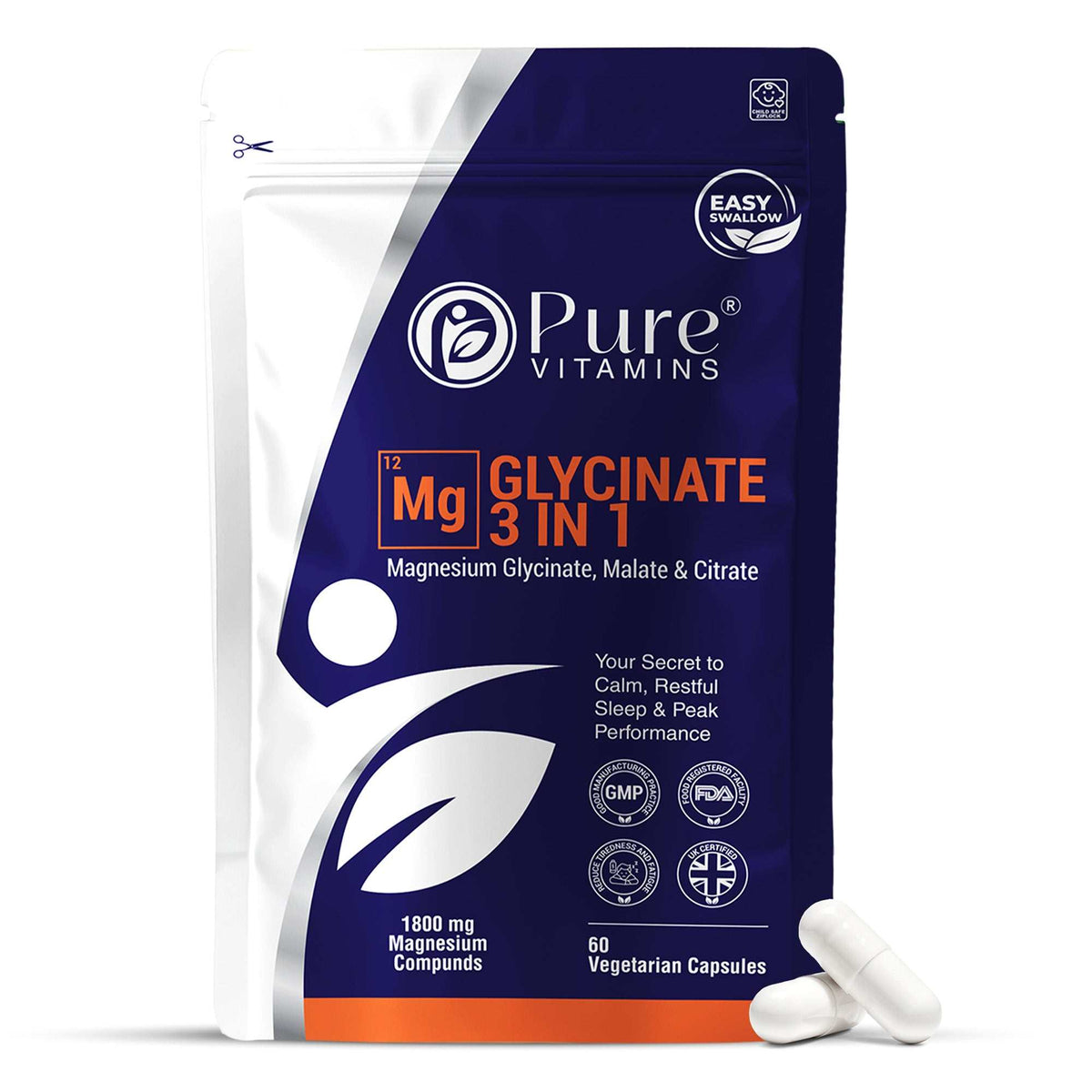
Our Magnesium Glycinate 3-in-1 is the formula I would point you to for that: three magnesium forms, the elemental amount stated plainly on the label, and tested for purity and heavy metals at our GMP-certified facility. Magnesium contributes to electrolyte balance, to normal muscle function and to the reduction of tiredness and fatigue, which is the honest version of what people are hoping an electrolyte drink will do.
Shop Magnesium Glycinate 3-in-1
Frequently Asked Questions
Do electrolytes help you lose weight?
No. Electrolytes are minerals involved in fluid balance, nerve signalling and muscle function. They have no role in fat metabolism and there is no authorised wording in Great Britain linking any of them to weight loss. Any quick change on the scales after starting an electrolyte drink is water shifting with sodium, not fat.
Why do I feel tired and light-headed in the first week of eating less?
In the first few days of a reduced intake, particularly a lower-carbohydrate one, glycogen stores fall and take water, potassium and some sodium with them. That combination of lower blood volume and lower fuel availability is the usual explanation for the flat feeling, and it typically settles within a week or two. If it does not settle, or if you are dizzy on standing, see your GP.
Is it better to get electrolytes from food or a drink while dieting?
Food, for almost everyone. A jacket potato, a pot of yoghurt and a handful of pumpkin seeds costs roughly 80p and delivers around 1,000 mg of potassium, 150 mg of magnesium and 200 mg of calcium, plus protein, fibre and water. A typical sachet at a similar price gives you a fraction of the potassium, a fraction of the magnesium, no calcium, and a large dose of sodium. A drink makes sense when you are sweating heavily, recovering from illness, or genuinely cannot eat enough.
How much water should I drink if I am eating much less?
The EFSA adequate intake is 2.0 litres of total water a day for women and 2.5 litres for men from all sources, and food normally supplies around a fifth to a quarter of it. When your food volume drops, that share drops too, so most people need one to two extra glasses of drink a day to land in the same place. Spread it across the day, take most of it between meals so it does not fill you up, and judge by pale straw urine rather than by hitting a number.
How much sodium should an electrolyte drink have?
It depends entirely on why you are drinking it. For everyday use on a reduced diet, look for a modest amount and read the salt figure carefully, remembering that sodium in grams multiplied by 2.5 gives you salt in grams and that the UK ceiling is 6 g of salt a day. For heavy sweating or rehydration after illness, a higher-sodium product is appropriate, and for illness specifically, a pharmacy oral rehydration product is the right category.
How do I know if I am overdoing electrolytes?
Puffiness around the fingers, ankles or face usually points at too much sodium, as does an unexplained kilo or two on the scales within a day or two of starting a salty drink. Loose stools are the classic early sign that total magnesium from all sources is too high. Urine that is consistently colourless and very frequent suggests you are drinking well past what you need. Headache, nausea or confusion after drinking large volumes quickly with very little sodium needs medical attention rather than more water.
Can I take magnesium and an electrolyte drink together?
You can, but add up the elemental magnesium from both. The European Food Safety Authority's tolerable upper intake level for supplemental magnesium is 250 mg a day and the UK Expert Group on Vitamins and Minerals set a guidance level of 400 mg a day from supplements, so it is worth checking you are not doubling up unintentionally. Loose stools are the usual early sign that the total is too high.
The Bottom Line
Electrolytes during weight loss are not a fat-loss tool, and no honest label will tell you otherwise. They are a comfort-and-adequacy question. Your intake of potassium, magnesium and calcium really does fall when your portions do, and food really does carry a slice of your daily fluid, so both are worth being deliberate about. But for most people eating moderately less, the answer is a jacket potato, a glass of water and, if one thing is worth supplementing properly, magnesium. Spend the money where the physiology actually is.
Dr. Miron, Founder of Pure Vitamins UK
Food supplements are not a substitute for a varied and balanced diet and a healthy lifestyle. This article is for general information and is not medical advice. If you have a health condition, take prescribed medicines, are pregnant or breastfeeding, or are losing weight unintentionally, speak to your GP or pharmacist.
