

Skip to content
Free UK delivery for orders over £35
Easy 30-day returns
10% off with monthly subscription
Cart

News

Can you take ashwagandha and L-theanine together?

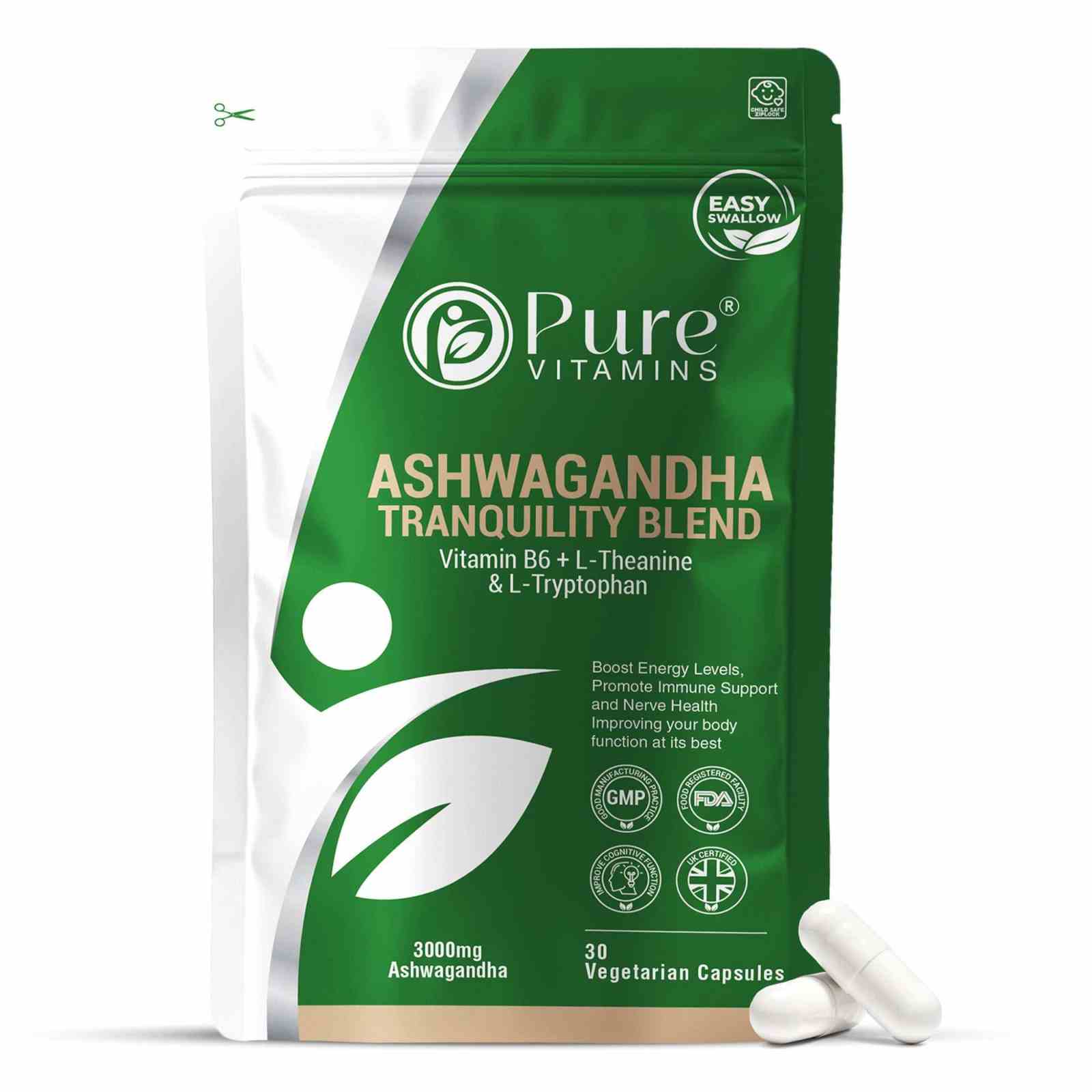
Reviewed and updated: 15 July 2026 Yes, most healthy adults can take ashwagandha and L-theanine together, and the two are often combined precisely because they work in different ways. Ashwagandha is a traditional adaptogenic root, while L-theanine is an amino acid from tea, so pairing them is a common formulation choice rather than a risky clash. This guide explains what each ingredient is, what the research honestly shows, sensible amounts and timing, and who should take care before combining them. On timing, see whether to take ashwagandha and L-theanine at night or in the morning. Can you take ashwagandha and L-theanine together? The short answer For most people with no relevant medical conditions or medications, taking ashwagandha and L-theanine together is considered reasonable, and the combination appears frequently in UK supplements for exactly that reason. They are not known to interact badly with each other, and they are usually chosen because their mechanisms are complementary rather than overlapping. The important caveats are about who should be cautious and what else you are taking, which we cover in full below. Quick answer: what to know at a glance What it is: a pairing of ashwagandha (a standardised herbal root extract) with L-theanine (an amino acid found in tea), often with vitamin B6 added. Who it is for: healthy adults who want a considered evening or daily wind-down routine and prefer the two ingredients in one capsule. Key point on claims: in UK law, neither ashwagandha nor L-theanine carries an authorised health claim, so they are chosen for their composition and heritage. Where a product adds vitamin B6, that vitamin does carry authorised claims, which we explain below. Key risk: ashwagandha is not suitable in pregnancy or breastfeeding and needs care alongside certain medications and conditions. Always check with a pharmacist or GP if you take prescription medicines. What ashwagandha is and what the research shows Ashwagandha (Withania somnifera) is a small shrub whose root has been used in Ayurvedic tradition for centuries. It is classed as an adaptogen, a traditional term for plants used to help the body cope with day-to-day demands. The biologically interesting compounds in the root are a group of molecules called withanolides, and the concentration of withanolides is one of the main markers of a quality extract. A well-made extract such as KSM-66 is taken from the root only and standardised to a minimum level of withanolides so that each capsule is consistent. On the science, it is important to separate what studies observe from what a supplement is allowed to claim. A 2021 randomised, double-blind, placebo-controlled study in healthy but stressed adults reported that a standardised ashwagandha root extract was associated with changes in measures of stress and cognitive performance compared with placebo (Gopukumar et al., 2021, https://doi.org/10.1155/2021/8254344). A 2022 systematic review and meta-analysis of randomised trials similarly reported that ashwagandha supplementation was associated with reductions in self-reported stress and anxiety scores versus placebo, while the authors were careful to note that the trials were generally short, varied in design and used different extracts, so the overall certainty of evidence is modest (Akhgarjand et al., 2022, https://doi.org/10.1002/ptr.7598). In other words, the research is promising and consistent in direction, but not conclusive, and it describes what has been measured in study participants rather than a guaranteed personal result. What L-theanine is and what the research shows L-theanine is a non-protein amino acid that occurs naturally in the tea plant (Camellia sinensis), which is why a cup of green or black tea contains a small amount of it. It is quickly absorbed and reaches the brain within about 30 minutes to two hours after intake (Vuong et al., 2011, https://doi.org/10.1002/jsfa.4373). The most studied observation about L-theanine is its effect on brain electrical activity. Small human studies using EEG have reported that L-theanine increases alpha wave activity, a pattern associated with a state of wakeful relaxation, at doses from roughly 50 mg to 200 mg (Bryan, 2008, https://doi.org/10.1111/j.1753-4887.2007.00011.x). Notably, the same review highlights that these effects were interpreted as relaxation without drowsiness, meaning L-theanine did not act like a sedative in the studies reviewed. As with ashwagandha, this is scientific background about the compound, not a promise about how any individual will feel. Why the two are paired: complementary, not overlapping The logic behind combining them is that they operate on different timescales and through different mechanisms. L-theanine is the fast-acting, here-and-now ingredient: its influence on alpha activity appears within an hour of taking it, then fades. Ashwagandha is the slow, cumulative ingredient: the trials that report effects generally run for six to eight weeks of daily use, so it is not something you feel sharply within a single dose. Putting a quick-acting amino acid alongside a herb that builds over time is why so many formulas place them together. If you want the fuller reasoning, our companion article on why L-theanine is added to ashwagandha goes deeper into the formulation thinking. How much of each: typical amounts There is no official combined dose, because these are food supplements rather than medicines, but the research points to sensible ranges: Ashwagandha: trials most often use around 300 mg to 600 mg of a standardised root extract per day, frequently as a single daily amount or split into two. L-theanine: studies commonly use 100 mg to 200 mg, with 200 mg being the amount used in several of the relaxation and alpha-wave studies. Standardisation matters more than the raw milligram number: 300 mg of a full-spectrum root extract standardised to a minimum 5% withanolides is not the same as 300 mg of unstandardised root powder. Always read what the withanolide percentage is. Our article on what KSM-66 ashwagandha is explains how to read that on a label. Because a single capsule can only hold so much, many combined products are designed to be taken as one or two capsules a day to reach these study-level amounts, which is exactly how the Pure Vitamins formula is dosed. Best time to take ashwagandha and L-theanine Timing depends on what you are aiming for, and there is no single correct answer: Evening: because L-theanine is associated with wakeful relaxation and ashwagandha is often used as part of a wind-down routine, many people take the combination in the evening. Morning or daytime: since L-theanine promotes relaxation without acting as a sedative, some people prefer it earlier in the day, particularly alongside a caffeinated drink, as the two are often studied together. With or without food: both are generally well tolerated either way, so you can fit them to your routine. Consistency beats precision: because ashwagandha builds over weeks, taking it at roughly the same time each day matters more than the exact hour. Our guide on when to take ashwagandha covers this in more detail. Does the combination make you drowsy? Based on the available research, L-theanine is characterised as promoting relaxation without drowsiness, so it is not a sedative in the way a sleeping tablet is (Bryan, 2008, https://doi.org/10.1111/j.1753-4887.2007.00011.x). Ashwagandha is likewise not a sedative. That said, individual responses vary, and some people simply prefer to take it in the evening. If you notice it affects your alertness, take it later in the day, and never combine any supplement with activities that require full attention until you know how you personally respond. Can you stack them with magnesium? Adding magnesium to an ashwagandha and L-theanine routine is common, and there is a compliant reason it can make sense: unlike the herb and the amino acid, magnesium is a mineral that carries authorised UK claims. Magnesium contributes to normal psychological function and to the normal functioning of the nervous system, and it also contributes to the reduction of tiredness and fatigue. Those are recognised nutrient functions rather than marketing. If you already take a magnesium supplement, there is no known problem taking it alongside ashwagandha and L-theanine for most people. We cover the herb-and-mineral question specifically in our article on magnesium and ashwagandha together. Where vitamin B6 fits in Many combined ashwagandha and L-theanine products, including the Pure Vitamins formula, add vitamin B6. This is deliberate, because vitamin B6 is where authorised claims are actually available. At the levels used, vitamin B6 contributes to normal psychological function, to the normal functioning of the nervous system, to normal energy-yielding metabolism, to the reduction of tiredness and fatigue, and to the regulation of hormonal activity. These are the official, evidence-backed functions of the vitamin, and they are distinct from the science we have described for the two headline ingredients. In short: ashwagandha and L-theanine are chosen for their composition and long history of use, and vitamin B6 provides the recognised nutrient functions. How long before you notice anything? The two ingredients answer this question very differently: L-theanine is acute. In the studies, its effect on brain activity appears within roughly 30 to 60 minutes of a single dose and then wears off. Ashwagandha is cumulative. The trials that report effects almost always run daily for six to eight weeks, so it is best judged over that kind of window rather than after one or two capsules. Taking it consistently for at least four to six weeks is a reasonable way to assess how it suits you. Interactions and who should be cautious This is the part that matters most, because the honest answer to "can you take them together" is "most healthy adults can, but not everyone should". Take particular care, and speak to a pharmacist or GP first, if any of the following apply: Pregnancy and breastfeeding: ashwagandha is not recommended during pregnancy or breastfeeding, so this combination should be avoided at these times. Thyroid medication or thyroid conditions: ashwagandha may influence thyroid hormone measures, so anyone on thyroid medication should get individual advice. Sedatives, sleep medicines or anti-anxiety medicines: because both ingredients are often chosen for winding down, it is sensible to check before combining them with medicines that have similar effects. Blood pressure medication: L-theanine and ashwagandha have both been linked with modest effects on blood pressure in some studies, so monitor and seek advice if you take blood pressure medication. Autoimmune conditions and immunosuppressant medicines: as an adaptogen, ashwagandha warrants caution here, so get tailored advice. Upcoming surgery: it is generally advised to stop ashwagandha in the run-up to planned surgery. Vitamin B6 upper level: if your product contains vitamin B6, keep total B6 across all your supplements sensible. Very high, long-term B6 intakes have been linked to nerve-related side effects, so avoid stacking multiple high-dose B6 products. Our dedicated guide on ashwagandha safety and who should take care goes through these considerations in more depth. The dietary source of L-theanine If you would rather get a little L-theanine from food, tea is the natural source. L-theanine occurs in the leaves of Camellia sinensis, so green, black and white teas all contain it, with a typical cup providing a modest amount (Vuong et al., 2011, https://doi.org/10.1002/jsfa.4373). A supplement simply provides a standardised, larger amount in one place, which is why the study-level doses are higher than what you would usually get from a single cup. Ashwagandha, by contrast, is not a normal part of the UK diet, which is one reason it is taken as a supplement rather than a food. How to choose a quality product If you decide the combination suits you, a few things separate a considered formula from a cheap one: Standardised root extract: look for a named, root-only ashwagandha extract such as KSM-66 with a stated withanolide percentage, rather than plain root powder. A meaningful L-theanine amount: check the label gives an actual milligram figure in the study range rather than a token dusting. Purity testing: a trustworthy supplement is manufactured in GMP-certified facilities and tested for purity and heavy metals, which matters for any botanical. Transparency over hype: because neither ingredient can legally be sold on health benefits, be wary of products that promise specific outcomes. Honest labels describe the composition, not a benefit. The Pure Vitamins KSM-66 Ashwagandha with L-Theanine and Vitamin B6 is formulated in the UK, uses a root-only KSM-66 extract standardised to a minimum 5% withanolides, and is tested for purity and heavy metals at our GMP-certified facility. Shop KSM-66 Ashwagandha with L-Theanine & B6 Frequently asked questions Can you take ashwagandha and L-theanine together every day? For most healthy adults, yes. Ashwagandha is generally taken daily because its effects build over several weeks, and L-theanine is well tolerated day to day. If you take medication or have a health condition, check with a pharmacist or GP first, and note that ashwagandha should be avoided in pregnancy and breastfeeding. Should I take ashwagandha and L-theanine in the morning or at night? Either can work. Many people choose the evening as part of a wind-down routine, while others take it earlier in the day because L-theanine is associated with relaxation without drowsiness. Consistency each day matters more than the exact time. Will taking them together make me sleepy? Neither ingredient is a sedative. In the research, L-theanine is described as promoting relaxation without drowsiness. Individual responses vary, so if you feel it affects your alertness, take it later in the day and avoid demanding tasks until you know how you respond. Can I add magnesium to ashwagandha and L-theanine? For most people this is fine. Magnesium is a mineral that contributes to normal psychological function and to the normal functioning of the nervous system, and there is no known problem taking it alongside the herb and the amino acid. How long does it take to work? L-theanine acts within about 30 to 60 minutes of a dose, while ashwagandha is best judged over six to eight weeks of consistent daily use, so give the combination at least four to six weeks. The honest bottom line Ashwagandha and L-theanine can be taken together by most healthy adults, and they are paired so often because they complement each other: a fast-acting amino acid from tea alongside a slow-building traditional root. The research on both is genuinely interesting but not conclusive, and in UK law neither can be sold on a health benefit, so choose on composition, standardisation and honest labelling. Where a formula adds vitamin B6, that vitamin supplies recognised nutrient functions such as contributing to normal psychological function and the normal functioning of the nervous system. If you are pregnant, breastfeeding, on medication or managing a health condition, get individual advice before you start. You can explore the full range at Pure Vitamins UK. Dr. Miron, Founder of Pure Vitamins UK Food supplements should not be used as a substitute for a varied, balanced diet and a healthy lifestyle. This article is for general information and education and is not medical advice. Always consult a healthcare professional before use if you are pregnant, breastfeeding, have a medical condition or are taking medication.

Learn more
Jar of Pure Vitamins UK micronised creatine monohydrate powder

Does creatine affect sleep?

An honest UK guide to creatine and sleep. Creatine is not a sleep aid, but research explores how it may support mental performance when sleep runs short.

Learn more

What Is Creatine and How Does It Work?

What is creatine and how does it work? Creatine is a compound your body makes and stores in muscle as phosphocreatine, where it helps regenerate ATP for short, intense bursts of effort. What the evidence supports (an authorised performance claim), the right dose, and the myths debunked.

Learn more

What Is a Quercetin and Nettle Complex?

What a quercetin and nettle complex is: quercetin is a common dietary flavonoid (in onions, apples, berries), nettle is a traditional flavonoid-containing botanical. Why they're paired as a themed, composition-based formula, explained without health claims.

Learn more

What Magnesium Is Good for Muscle Function?

What magnesium is good for muscle cramps? Magnesium contributes to normal muscle function (an authorised claim), supporting muscles working normally when status is adequate, not a cure for cramps. For daily use people often choose well-absorbed magnesium glycinate; persistent cramps warrant a GP visit.

Learn more

What Does Zinc Do for Skin and Nails?

What zinc does for skin and nails: it's involved in countless cell processes including skin turnover, and carries authorised claims for maintaining normal skin, hair and nails plus protecting cells from oxidative stress. Its role is normal tissue maintenance.

Learn more

How Long Do Probiotics Take to Work?

How long do probiotics take to work? There's no single timeline: probiotics are transient, individual and strain-dependent. Cultures pass through within hours to days, but the sensible approach is consistent daily intake judged over weeks.

Learn more

Do Vegans Need a B12 Supplement? What the Research Shows

Do vegans need a B12 supplement? Yes. B12 is scarce in plant foods and deficiency is common in vegans who don't supplement, while those who do maintain status comparable to meat-eaters. What the research shows and what to look for.

Learn more
Pure Vitamins UK iron supplement tablet with ferrous fumarate, vitamin C, B12, and folic acid packaging

Ferrous Fumarate, Iron with Vitamin C and Folic Acid

What ferrous fumarate is, how it compares with ferrous sulphate, why vitamin C is paired with iron (it aids absorption), why iron and folic acid/B12 are combined, and when to take iron. Plus the key safety point: confirm low iron with your GP first.

Learn more