



Table of Contents
- Why You Experience the Caffeine Crash
- Step 1: Stabilise Blood Sugar With Complex Carbohydrates
- Step 2: Align Your Circadian Rhythm for Natural Alertness
- Step 3: Foods That Provide Sustained Energy
- Step 4: How to Stop Feeling Tired Without Coffee
- Step 5: Benefits of Adaptogens for Energy and Stress
- Step 6: Sleep Hygiene and Strategic Naps
- Step 7: Hydration, Micronutrients and Cellular Energy
Last Updated: August 12, 2026
Why You Experience the Caffeine Crash
When you consume caffeine, it blocks adenosine receptors in your brain, creating the illusion of alertness. Once the caffeine metabolises (typically within 4-6 hours), adenosine floods back in all at once, triggering sudden fatigue, brain fog, and that distinctive slump. Your body hasn't actually gained energy; it's borrowed it against a debt you'll pay later.
The real problem isn't caffeine itself, it's that relying on it masks underlying energy deficiencies. You're treating the symptom (fatigue) instead of addressing the cause (blood sugar crashes, poor sleep, nutrient gaps, dehydration, or circadian misalignment).
Step 1: Stabilise Blood Sugar With Complex Carbohydrates
Blood sugar regulation is the foundation of sustained energy without caffeine crash dependency. Complex carbohydrates digest slowly, releasing glucose steadily into your bloodstream and preventing the sharp drops that trigger fatigue and cravings.
Simple carbs (white bread, pastries, sugary cereals) cause rapid blood sugar spikes followed by sharp crashes. Complex carbohydrates (oats, barley, sweet potatoes, legumes, wholegrain bread) contain fibre that slows digestion and stabilises glucose release.
Practical implementation: Build each meal around a complex carbohydrate source paired with protein and healthy fat. For example, porridge with nuts and berries, or wholegrain toast with avocado and eggs, creates a metabolic environment that sustains energy for hours rather than minutes. This combination slows digestion further and extends the period of stable blood glucose.
:::pro-tip Eat complex carbohydrates with protein at every meal. This combination slows glucose absorption and prevents the blood sugar crashes that create afternoon fatigue and caffeine cravings. :::
Step 2: Align Your Circadian Rhythm for Natural Alertness
Your circadian rhythm, the 24-hour cycle that governs sleep, hormone release, and energy levels, is far more powerful than most people realise. When aligned with your environment, your body produces energy naturally and consistently.
Light exposure is the primary circadian regulator. Morning sunlight (ideally within 30 minutes of waking) signals your brain to suppress melatonin and increase cortisol, the hormone that drives alertness and energy. Even 10-15 minutes of morning sunlight shifts your circadian clock, improving sleep quality that night and energy levels the next day.
Meal timing also influences circadian rhythm. Eating at consistent times, particularly a substantial breakfast within two hours of waking, reinforces circadian alignment. Irregular meal timing creates circadian confusion, which manifests as fatigue, poor sleep, and energy crashes.
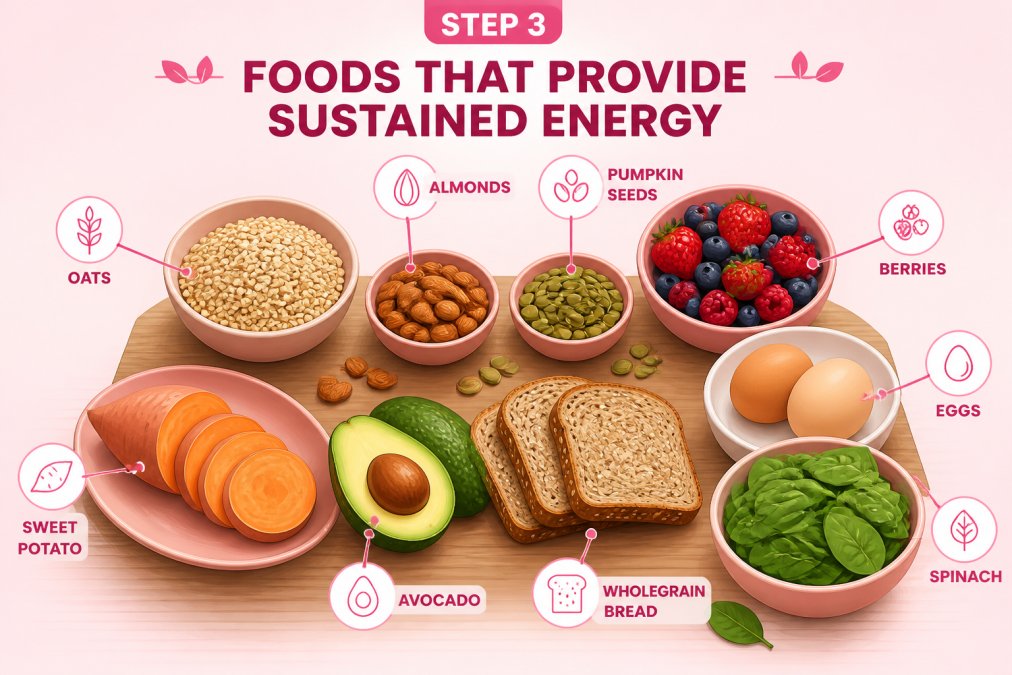
Step 3: Foods That Provide Sustained Energy
Certain foods have a disproportionate impact on sustained energy because they combine complex carbohydrates, protein, healthy fats, and micronutrients that support cellular energy production.
Oats are rich in beta-glucans (a type of soluble fibre) that slow glucose absorption and provide steady energy for hours. Pair them with nuts, seeds, and berries for additional micronutrients.
Legumes (lentils, chickpeas, beans) combine complex carbohydrates with plant-based protein, creating a metabolic profile that resists blood sugar crashes. A lentil-based soup provides sustained energy that rivals what caffeine offers.
Nuts and seeds (almonds, walnuts, pumpkin seeds, flaxseeds) provide magnesium, zinc, and B vitamins that directly support energy metabolism. A small handful between meals prevents the mid-afternoon crash.
Eggs are a complete protein source containing choline, which supports cognitive function and energy production. Paired with wholegrain toast and vegetables, eggs sustain energy for 4-5 hours.
Sweet potatoes are complex carbohydrates with a lower glycemic index than regular potatoes, plus they contain manganese and B vitamins that support energy metabolism.
Leafy greens (spinach, kale, broccoli) contain iron and magnesium, minerals that directly support oxygen transport and energy production. Iron deficiency is a common but overlooked cause of persistent fatigue.
Fatty fish (salmon, mackerel, sardines) provide omega-3 fatty acids and B vitamins that support mitochondrial function, the cellular machinery that generates energy.
Step 4: How to Stop Feeling Tired Without Coffee
The question "how to stop feeling tired without coffee" assumes you need an external stimulus. Often, you need to remove the obstacles preventing your body from producing energy naturally.
Dehydration is the first place to look. Even mild dehydration impairs cognitive function and increases perceived fatigue. Aim for approximately 2-3 litres daily, adjusted for activity level and climate. If your urine is dark yellow, you're dehydrated.
Movement is a counterintuitive but powerful fatigue fighter. A 10-minute walk, particularly in daylight, increases alertness more reliably than caffeine for many people. Exercise literally increases your capacity to produce energy.
Breathing exercises provide acute alertness without substances. Box breathing (inhale for 4 counts, hold for 4, exhale for 4, hold for 4) activates your nervous system and creates balanced alertness in 2-3 minutes.
Micronutrient deficiencies silently drive fatigue. Iron, B12, magnesium, and vitamin D deficiencies all manifest as persistent tiredness. If you've been consistently fatigued for weeks despite adequate sleep and food, micronutrient status is worth investigating through blood work. Pure Vitamins UK's Vitamin B12 Supplement provides methylcobalamin and adenosylcobalamin, the bioavailable forms your body uses directly, which supports cognitive function and energy production without the crashes associated with caffeine.

Natural Caffeine Alternatives and Adaptogens
If you genuinely need an external stimulus, certain botanicals provide alertness without the crash mechanism.
L-theanine is an amino acid found in tea leaves that increases alpha brain wave activity, a state associated with calm alertness. It doesn't produce the jitters or crashes associated with caffeine because it doesn't block adenosine receptors.
Ginseng (Panax ginseng, Korean red ginseng) is an adaptogen that supports energy and stress resilience without the adenosine-blocking mechanism of caffeine. Effects build over days of use and produce no crash.
Rhodiola rosea is another adaptogen traditionally used for fatigue and stress. It appears to support mitochondrial energy production and reduce perceived fatigue, particularly in people experiencing chronic stress.
Guarana contains caffeine naturally but is absorbed more slowly due to the plant matrix, producing a gentler, longer-lasting effect without the sharp spike-and-crash pattern.
The distinction between these options and caffeine is important: adaptogens and botanicals support your body's own energy production systems, whereas caffeine artificially masks fatigue.
Step 5: Benefits of Adaptogens for Energy and Stress
Adaptogens are plants that support your nervous system's ability to respond appropriately to stress. The benefits of adaptogens for energy extend beyond simple stimulation; they address the underlying stress response that often drives fatigue.
Chronic stress depletes your body's energy reserves through sustained cortisol elevation. Adaptogens help regulate cortisol, preventing the exhaustion that follows high-stress periods.
Ashwagandha (Withania somnifera) is perhaps the most researched adaptogen. It appears to reduce cortisol, support sleep quality, and improve resilience to stress-induced fatigue. The benefits of adaptogens for energy from ashwagandha specifically include improved physical endurance and reduced mental fatigue during demanding periods.
Adaptogens require consistent use (typically 2-4 weeks) before effects become noticeable. This is different from caffeine, which works immediately. But the consistency of effect, no crashes, no tolerance buildup, no dependency, makes them valuable for building sustainable vitality.
:::pro-tip Adaptogens require consistent use to build effects. Start with one adaptogen for 4 weeks before assessing impact, rather than rotating between multiple options. :::
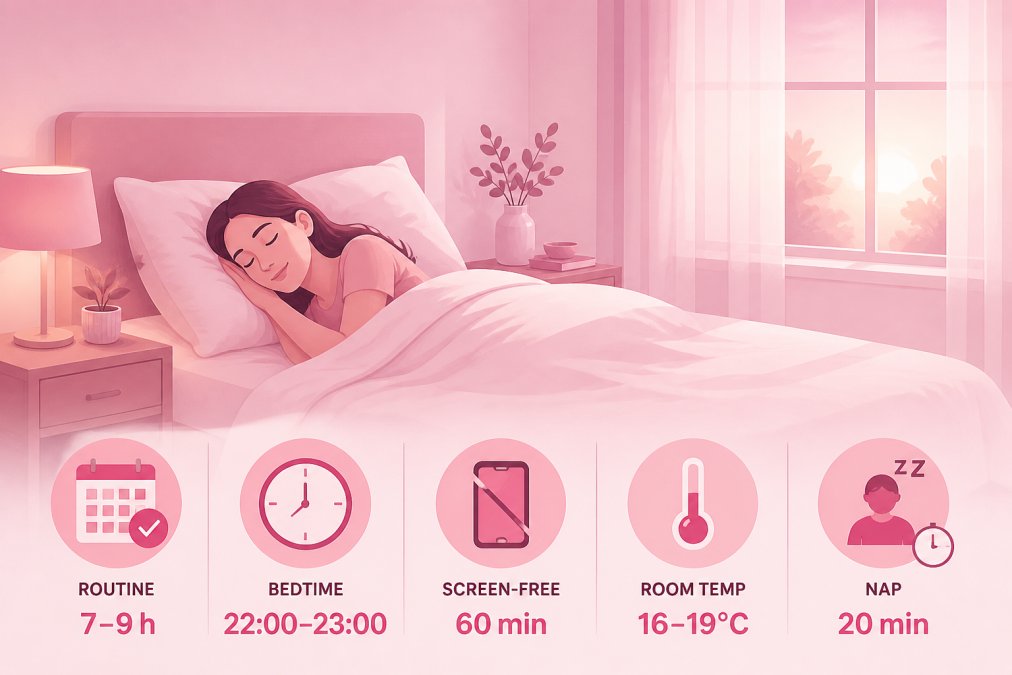
Step 6: Sleep Hygiene and Strategic Naps
Sleep is the most powerful energy-production tool available, yet most people treat it as optional. Poor sleep quality impairs every system that generates and regulates energy.
Temperature is the primary regulator of sleep quality. Your core body temperature must drop by approximately 1-2 degrees Celsius for sleep onset and maintenance. A bedroom temperature of 16-18°C is optimal for most people.
Darkness is the second critical factor. Melatonin production requires near-total darkness; even small amounts of light suppress it. Blackout curtains or an eye mask are simple interventions with measurable impact on sleep quality.
Consistency matters more than duration. A person sleeping 7 hours at irregular times will be more fatigued than someone sleeping 6 hours at the same time daily. Aim for consistent sleep and wake times, even on weekends.
Caffeine timing is critical: caffeine has a half-life of 5-6 hours. Consuming caffeine after 2 PM will impair sleep that night, even if you don't consciously notice. This creates a vicious cycle: poor sleep drives next-day fatigue, which drives caffeine consumption, which impairs that night's sleep.
Strategic naps can enhance energy when used correctly. A 20-30 minute nap in early afternoon (1-3 PM) can restore alertness without the grogginess associated with longer naps.
Step 7: Hydration, Micronutrients and Cellular Energy
Cellular energy production depends on specific micronutrients. Deficiencies in these nutrients manifest as persistent fatigue that no amount of sleep, food, or caffeine fully resolves.
Magnesium is central to ATP production and energy metabolism. Deficiency is common, particularly in people consuming processed foods or experiencing chronic stress. A magnesium glycinate supplement supports energy production directly. Pure Vitamins UK formulates supplements with magnesium glycinate specifically because it's absorbed efficiently and doesn't produce the laxative effect of other magnesium forms.
B vitamins (B1, B2, B3, B5, B6, B12, folate) are cofactors in every major energy-production pathway. B12 deficiency is particularly common in people over 50 or following plant-based diets, and it manifests as fatigue and cognitive fog. Methylcobalamin and adenosylcobalamin (the active forms of B12) are more bioavailable than cyanocobalamin. Pure Vitamins UK's B12 Supplement uses both forms to ensure your body can utilise the nutrient effectively.
Iron carries oxygen to your cells, enabling energy production. Iron deficiency anaemia is a common but overlooked cause of persistent fatigue, particularly in menstruating women. If you suspect iron deficiency, blood work is essential before supplementing.
Zinc supports immune function and energy metabolism. Deficiency impairs physical performance and increases fatigue perception.
Vitamin D regulates calcium absorption, immune function, and mood. Deficiency (common in northern latitudes and winter months) manifests as fatigue, low mood, and reduced physical performance. Vitamin D3 with K2 supports both bone health and energy-related metabolic processes.
Coenzyme Q10 (CoQ10) is a critical component of mitochondrial energy production. CoQ10 levels decline with age, contributing to age-related fatigue. Supplementing with CoQ10 has been shown to improve energy and physical performance, particularly in people over 50.
NAD+ (nicotinamide adenine dinucleotide) is a coenzyme essential for cellular energy production and mitochondrial health. NAD+ levels decline with age, contributing to age-related fatigue and reduced physical performance. Pure Vitamins UK's NAD+ Supplement combines NR with quercetin and resveratrol, compounds that work synergistically to support cellular energy and healthy ageing.

Your body cannot produce energy without these raw materials. If your diet is deficient in these nutrients, supplementation addresses a genuine biological gap.
Building natural energy without caffeine crash patterns requires addressing the root causes of fatigue: blood sugar instability, circadian misalignment, poor sleep, nutrient deficiencies, and chronic stress. These aren't quick fixes, they're foundational changes that compound over weeks and months. Once you've implemented these strategies, the consistency and reliability of your energy will exceed what caffeine ever provided.
Pure Vitamins UK's formulations support this foundation with transparent, bioavailable supplements. Our NAD+ Supplement and NMN Supplement provide direct support for cellular energy production, whilst our Vitamin B12 and Iron supplements address common micronutrient gaps that drive fatigue. Each product is formulated with specific, declared doses of well-absorbed ingredient forms, no proprietary blends, no fillers, just the nutrients your body needs to generate energy consistently.
Shop now and build the energy system your body was designed to have.
| Strategy | Primary Mechanism | Implementation Timeline | Best For |
|---|---|---|---|
| Blood sugar stabilisation | Prevents glucose crashes | Immediate (next meal) | All-day energy consistency |
| Circadian alignment | Optimises natural cortisol rhythm | 3-7 days | Morning alertness and sleep quality |
| Whole food nutrition | Provides sustained micronutrients | Immediate | Preventing afternoon crashes |
| Sleep optimisation | Enables energy recovery | 1-2 weeks | Baseline energy restoration |
| Micronutrient supplementation | Supports cellular energy production | 2-4 weeks | Addressing deficiency-driven fatigue |
| Adaptogen use | Regulates stress response | 2-4 weeks | Stress-related fatigue |
Frequently Asked Questions
How can I get natural energy when tired without caffeine?
The most effective approach combines three elements: stabilise blood sugar with balanced meals containing complex carbohydrates and protein, ensure consistent sleep of 7-9 hours nightly, and stay hydrated throughout the day. Short 10-20 minute walks, deep breathing exercises, and strategic micronutrient support (B vitamins and iron) also boost alertness without stimulants. These address the root causes of fatigue rather than masking them temporarily.
What natural alternatives to caffeine provide sustained energy without the crash?
Adaptogens like rhodiola and ashwagandha support sustained energy and stress resilience without the jitters. L-theanine, an amino acid from green tea, promotes calm focus. Nutritional support matters too: B12 and iron deficiency are common energy drains. NAD+ precursors like nicotinamide riboside support cellular energy production. Unlike caffeine, these work with your body's natural rhythms rather than forcing a temporary spike followed by depletion.
Why does caffeine cause an energy crash, and how do I avoid it?
Caffeine blocks adenosine receptors in your brain, creating a false sense of alertness. When the caffeine wears off, adenosine floods in suddenly, causing the crash. Your body also depletes glucose and electrolytes faster under caffeine's stimulant effect. To avoid the crash: build sustained energy through balanced meals with low glycemic index foods, ensure adequate sleep and hydration, and consider adaptogens instead. These maintain homeostasis rather than disrupting it.
Can hydration and diet really prevent energy slumps throughout the day?
Yes. Dehydration reduces blood volume and oxygen delivery to your brain, causing fatigue within hours of fluid loss. Eating balanced meals every 3-4 hours with protein, healthy fats, and complex carbohydrates prevents blood sugar crashes that trigger the post-meal slump. Micronutrient deficiencies in iron, B vitamins, and magnesium directly impair energy production at the cellular level. Combined, these three factors account for most preventable fatigue.
This article was written using GrandRanker


