



Table of Contents
- 5 Best Vitamins for Consistent Energy: Quick Comparison
- 1. Vitamin B12: The Energy-Yielding Metabolism Foundation
- 2. Iron: Red Blood Cell Formation and Oxygen Transport
- 3. Magnesium: Muscle Function and Nervous System Support
- 4. Vitamin D: Immune Function and Metabolic Regulation
- 5. NAD+ (Nicotinamide Riboside): Cellular Energy at the Mitochondrial Level
- How Long Do Energy Supplements Take to Work
- Best Time of Day to Take Energy Vitamins
- Frequently Asked Questions
Last Updated: September 24, 2026
5 Best Vitamins for Consistent Energy: Quick Comparison
Persistent afternoon tiredness often signals nutrient depletion. The 5 best vitamins for consistent energy, B12, iron, magnesium, vitamin D, and NAD+, support cellular fuel production, oxygen transport, and nervous system function. At Pure Vitamins UK, we've identified these five as the foundation nutrients for sustained vitality.
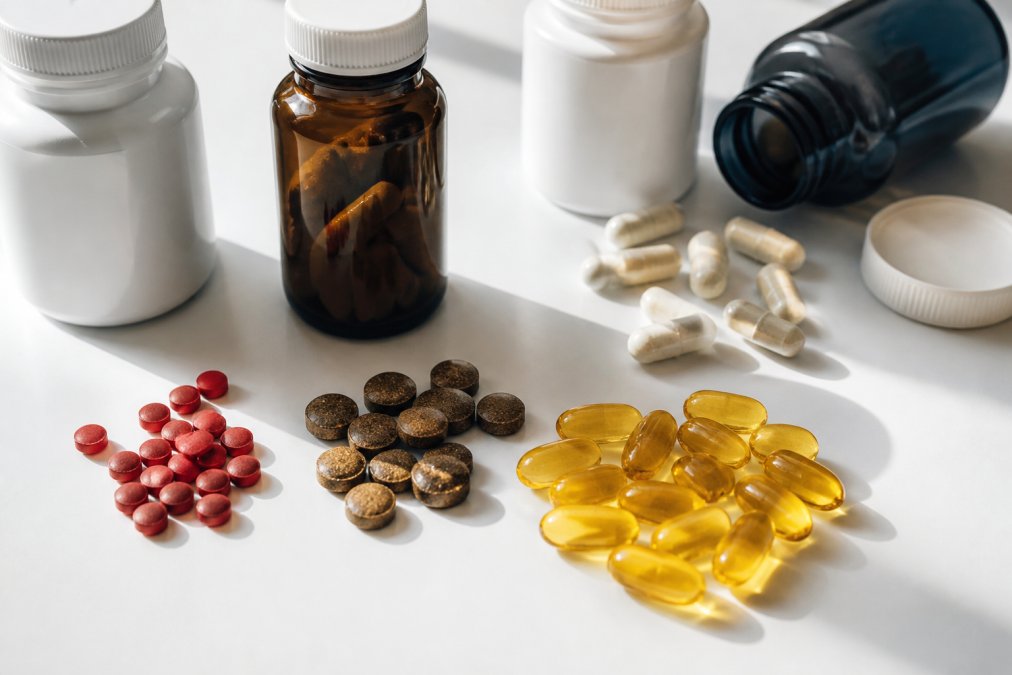
Form and dose determine whether a supplement works. Synthetic B12 your body can't absorb won't fix a 3pm energy crash. Ferrous sulphate iron causes bloating, so people stop taking it. This guide covers the five nutrients where form, dose, and bioavailability matter most.
| Vitamin | Key Role | Best Form | Typical Effect Timeline |
|---|---|---|---|
| B12 | Energy-yielding metabolism, red blood cell formation | Methylcobalamin, adenosylcobalamin | 2-4 weeks |
| Iron | Oxygen transport, red blood cell formation | Ferrous fumarate | 4-8 weeks |
| Magnesium | Muscle function, nervous system support | Glycinate, malate, citrate blend | 1-3 weeks |
| Vitamin D | Immune function, metabolic regulation | D3 with K2 | 6-8 weeks |
| NAD+ | Cellular energy at mitochondrial level | Nicotinamide riboside | 2-6 weeks |
1. Vitamin B12: The Energy-Yielding Metabolism Foundation
B12 is most commonly linked to persistent tiredness, especially in plant-based diets. It's central to converting food into energy and water-soluble, so your body needs a steady supply. If afternoon energy dips despite good sleep and diet, B12 deficiency is worth investigating first.
Most B12 supplements use cyanocobalamin, which requires enzymatic conversion your body may not perform efficiently. Active forms like methylcobalamin and adenosylcobalamin bypass this step, your cells use them directly.
How B12 Powers Cellular Energy Production
B12 supports energy-yielding metabolism (converting food to ATP) and red blood cell formation. Without adequate B12, oxygen transport falters and fatigue follows.
The Vitamin B12 Supplement from Pure Vitamins UK uses methylcobalamin and adenosylcobalamin at 1000µg per serving. Two tablets daily provide a month's supply and support nervous system function and psychological health.

Why Active Forms Matter
Active B12 forms (methylcobalamin, adenosylcobalamin) absorb at the gut wall without enzymatic conversion, unlike cyanocobalamin, which requires liver conversion.
Active forms matter especially for plant-based diets, those over 50, or anyone with digestive issues affecting B12 absorption.
2. Iron: Red Blood Cell Formation and Oxygen Transport
Iron deficiency is the UK's most common nutritional shortfall, especially in women. Iron supports energy-yielding metabolism and oxygen transport; without it, oxygen-hungry muscles and brain fatigue.
The catch is that most iron supplements are poorly tolerated.
Iron Deficiency and Persistent Tiredness
Iron deficiency shows as persistent afternoon tiredness, brain fog, shortness of breath on exertion, pale nails, or brittle hair, signs of struggling oxygen transport.
Bioavailability and Absorption Factors
Ferrous forms absorb better than ferric. Vitamin C boosts absorption; tea, coffee, calcium, and grains inhibit it. Take iron away from these when possible.
3. Magnesium: Muscle Function and Nervous System Support
Magnesium is a cofactor in ATP generation and one of the first minerals depleted by stress and poor sleep. Deficiency shows as afternoon fatigue, muscle tension, and sleep problems.
Magnesium's Role in Energy-Yielding Metabolism
Magnesium powers ATP synthase, the mitochondrial machinery that produces cellular fuel. Without it, cells can't convert food efficiently, causing fatigue caffeine can't fix.
4. Vitamin D: Immune Function and Metabolic Regulation
British sunlight lacks sufficient UV from October to March for vitamin D production, so the UK government recommends supplementing. Vitamin D supports immune function, calcium absorption, and bone and muscle health.
5. NAD+ (Nicotinamide Riboside): Cellular Energy at the Mitochondrial Level
NAD+ is a coenzyme found in every living cell and central to energy metabolism at the cellular level. Nicotinamide riboside is a direct dietary precursor your body can use to make NAD+, and it's one of the most talked-about functional ingredients in recent years because of its role in cellular energy production and healthy ageing.
How Long Do Energy Supplements Take to Work
Energy supplements don't work like caffeine, you won't feel a sudden jolt 20 minutes after taking them. Instead, they work by rebuilding the nutrient foundations your body needs to generate energy consistently. The timeline depends on which nutrient you're addressing and how depleted you are.
Immediate vs. Long-Term Effects
Magnesium is often the fastest, many people notice improved sleep and reduced afternoon fatigue within 1-3 weeks, because magnesium supports both nervous system function and ATP production, two areas where the effect is relatively immediate. B12 and iron take longer because they need to rebuild your red blood cell count and haemoglobin levels, a process that takes 4-8 weeks.
Why Consistent Daily Use Matters
Energy supplements work by addressing the root cause, nutrient depletion, not by masking fatigue the way caffeine does. Caffeine gives you a temporary boost by stimulating your nervous system, but it doesn't rebuild the actual nutrient foundations your body needs to generate energy. Once the caffeine wears off, you're back where you started, often more fatigued than before.
Best Time of Day to Take Energy Vitamins
Timing matters because it affects both absorption and how the supplement interacts with your food and other habits.
Morning Timing for B-Complex and Iron
B12 and iron are best taken in the morning, ideally with breakfast. Taking iron with food reduces stomach upset, and taking it in the morning means you're not competing with tea, coffee, or calcium-rich foods later in the day that can inhibit absorption. Morning timing also means the energy support is available when you need it most, during your working day when afternoon fatigue typically hits.
Evening Dosing for Magnesium
Magnesium is different. Many people take it in the evening because it supports nervous system relaxation and sleep quality, two areas where magnesium deficiency often shows up first. Taking magnesium in the evening can improve sleep, which then feeds into better energy the next day, a virtuous cycle rather than a direct energy boost.
Food and Nutrient Interactions
Iron absorbs better with vitamin C and worse with tea, coffee, calcium, and phytates. Taking iron with orange juice (vitamin C) and away from your morning tea or coffee maximises absorption. Magnesium absorbs well with food and doesn't have significant interactions with common beverages. Vitamin D is fat-soluble, so take it with a meal containing a little fat, olive oil, nuts, or fatty fish all work.
Frequently Asked Questions
What vitamins should I take if I'm always tired?
Persistent tiredness often traces back to deficiencies in B12, iron, magnesium or vitamin D. Vitamin B12 contributes to normal energy-yielding metabolism and the reduction of tiredness and fatigue. Iron is essential for red blood cell formation and oxygen transport. Magnesium supports muscle function and energy production. Testing your serum levels through a healthcare professional can identify which specific nutrients you're running short on, allowing targeted supplementation rather than guesswork.
How long do energy supplements take to work?
Most energy-supporting vitamins require consistent daily use over 4-8 weeks before you notice a meaningful shift. Vitamin B12 and iron work through cellular energy-yielding metabolism and red blood cell formation, both processes that take time to rebuild. Water-soluble vitamins like B-complex don't store in your body, so gaps in dosing reset progress. Magnesium and vitamin D act on nervous system function and hormonal regulation over weeks. If you've tried a supplement for fewer than 4 weeks, consistency matters more than the supplement itself.
What is the best time of day to take energy vitamins?
B-complex vitamins and iron are best taken in the morning with food, as they support energy-yielding metabolism throughout the day. Iron absorption improves with vitamin C and food, but avoid tea, coffee and calcium at the same meal, as they inhibit uptake. Magnesium is often taken in the evening, as it supports muscle relaxation and nervous system function during sleep, indirectly improving daytime energy. Vitamin D should be taken with a meal containing fat for optimal absorption. Consistency and timing relative to food matter more than the specific hour.
Are there specific vitamins that help with chronic fatigue?
Chronic fatigue often involves multiple micronutrient gaps rather than a single deficiency. B12 deficiency is particularly common and contributes to both tiredness and cognitive fog. Iron deficiency causes oxygen-transport problems that leave you exhausted despite adequate sleep. Magnesium depletion is widespread in busy lives and directly impairs energy-yielding metabolism. Vitamin D insufficiency affects immune function. Rather than trying one supplement, a layered approach addressing B12, iron, magnesium and vitamin D simultaneously often yields better results. Blood work from a healthcare professional can guide which to prioritise.
How do I know if a supplement has good bioavailability?
Bioavailability depends on both the ingredient form and what you take it with. For iron, ferrous fumarate absorbs better and causes less digestive discomfort than ferrous sulphate. For magnesium, glycinate (bound to the amino acid glycine) is gentler and more completely absorbed than oxide. For B12, active forms like methylcobalamin and adenosylcobalamin are used directly by your cells, unlike synthetic cyanocobalamin which requires conversion. Vitamin D3 (cholecalciferol) is more effective than D2. Taking fat-soluble vitamins with food and iron with vitamin C boosts absorption. Check the product label for ingredient form and dose transparency.
