


Reviewed and updated: 23 July 2026
Creatine myths, honestly: kidneys, steroids and hair loss
Let me tackle the creatine myths head on, because creatine is both the most studied sports supplement in the world and the most gossiped about. The short version: in healthy adults it does not damage your kidneys, it is not a steroid, and the hair loss story rests on a single small study that never actually measured hair. Here is the honest, evidence-led detail.
I am Dr. Miron, and I would rather give you the real picture, including where the science is genuinely uncertain, than pretend everything is settled.

The short version
- Kidneys: no evidence of harm in healthy people. A slight rise in a blood marker called creatinine is expected and is not the same as kidney damage.
- Steroid: creatine is not a steroid or a hormone. It is a compound your body already makes from amino acids.
- Hair loss: based on one small 2009 study that measured an androgen, not hair. It has not been replicated, and no study has shown creatine causes hair loss.
Myth 1: creatine damages your kidneys
This is the big one, and it comes from a misunderstanding of a blood test. Creatine breaks down into creatinine, which doctors measure to estimate kidney function. Taking creatine can nudge creatinine up slightly, but that is a harmless consequence of having more creatine in your system, not a sign your kidneys are struggling. According to PubMed, the International Society of Sports Nutrition position stand concludes that short and long-term creatine use, up to 30 g a day for as long as five years, is safe and well tolerated in healthy individuals across a wide age range (Kreider et al., 2017, Journal of the International Society of Sports Nutrition). The sensible caveat: if you already have kidney disease, speak to your doctor first, and mention any creatine use before a kidney blood test so the result is read correctly.

Myth 2: creatine is a steroid
It is not. Anabolic steroids are synthetic hormones. Creatine is a small compound made from three amino acids, produced naturally in your liver and kidneys and found in meat and fish. It works by topping up your muscles' rapid energy reserve, which is why the one authorised claim for it is that creatine increases physical performance in successive bursts of short-term, high-intensity exercise at 3 g a day. That is an energy mechanism, not a hormonal one. Comparing creatine to steroids is like comparing a bigger fuel tank to a different engine.
Myth 3: creatine causes hair loss
This myth traces back to a single small study in college rugby players, which reported a rise in DHT, an androgen linked to hair thinning in genetically predisposed people, after a week of creatine loading (van der Merwe et al., 2009, Clinical Journal of Sport Medicine). Here is the honest part that rarely gets mentioned: that study did not measure hair at all, it involved only 20 men, and its finding has not been replicated in the years since. No study has shown that creatine actually causes hair loss. So the fair summary is: this is an unresolved question resting on one indirect result, not an established effect.

Myth 4: creatine just makes you hold water and bloat
Creatine does draw a small amount of water into muscle cells, which is part of how it works, and a high-dose loading week can cause a temporary bump on the scales. That is intracellular water, not the puffy, under-the-skin bloating people imagine. Skip the loading phase and take a steady 3 to 5 g a day and most people notice nothing at all. See creatine loading, dosing and saturation for the gentler approach.
Myth 5: creatine is only for male bodybuilders
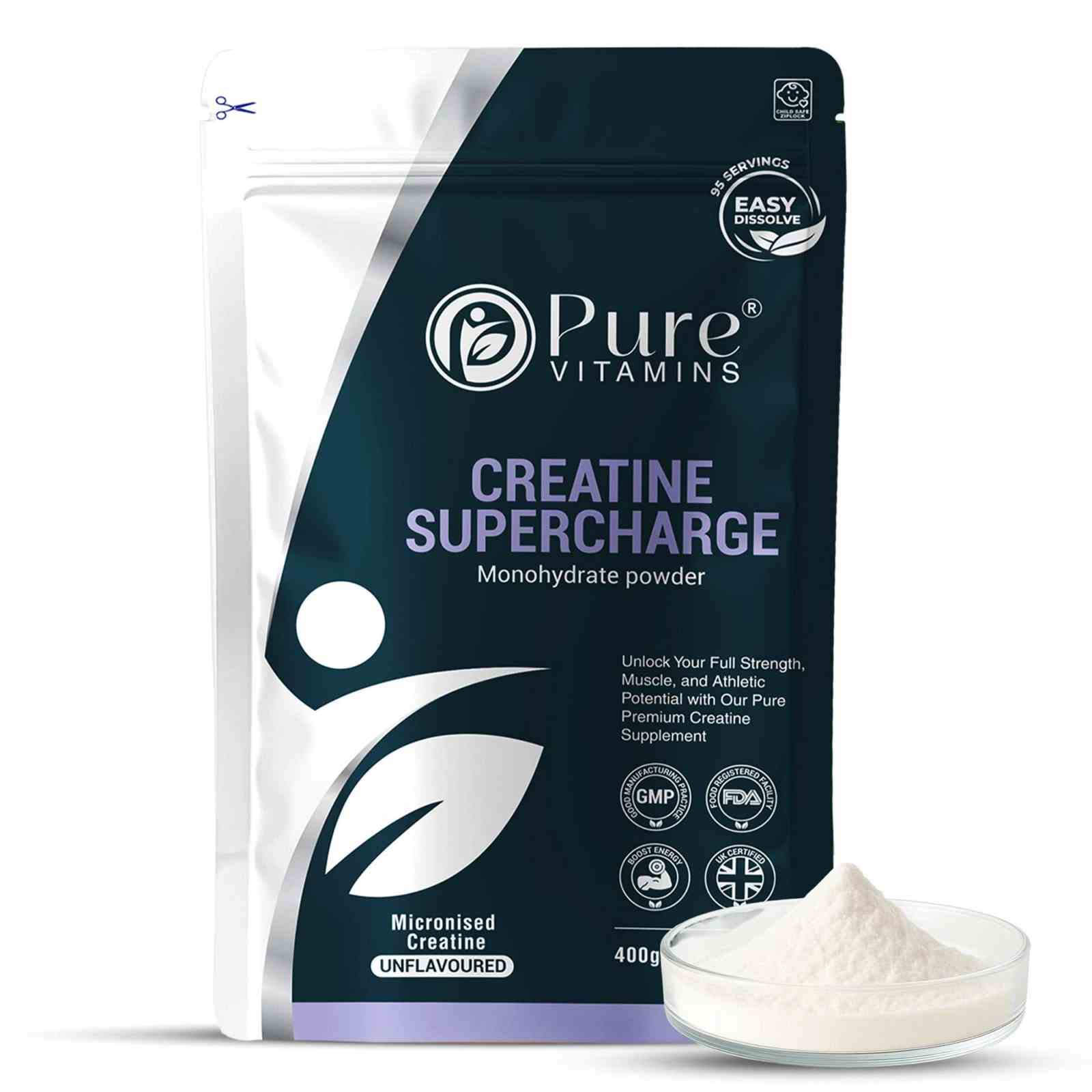
Creatine is relevant to anyone doing short, hard efforts, from sprinting to lifting to interval classes, regardless of sex. Our micronised creatine monohydrate is vegan-friendly, which matters because people who eat little or no meat tend to start with lower creatine stores and often notice the difference most. If you are wondering which form to choose, I cover whether micronised creatine is any better than monohydrate.
What to realistically expect
Creatine is not a stimulant and you will not feel it working. What it does is support performance in repeated high-intensity efforts once your muscles are saturated, which takes a week of loading or a few weeks of steady dosing. Set expectations around training quality over weeks, not a same-day buzz.
A few cautions worth knowing
Creatine has a strong safety record in healthy adults. If you have kidney disease, are pregnant or breastfeeding, or take regular medication, check with your GP or pharmacist before starting. Mild stomach upset is the most common side effect and is usually tied to high loading doses rather than a normal 3 to 5 g serving.
Frequently asked questions
Is creatine bad for your kidneys?
In healthy people there is no evidence that creatine harms the kidneys. It can raise the blood marker creatinine slightly, which is expected and not a sign of damage. People with existing kidney disease should check with a doctor first.
Is creatine a steroid?
No. Creatine is not a steroid or a hormone. It is a compound made from amino acids that your body produces naturally and that is found in meat and fish.
Does creatine cause hair loss?
No study has shown that creatine causes hair loss. The idea comes from one small 2009 study that measured a rise in an androgen but did not measure hair, and it has not been replicated.
Does creatine make you bloated?
Creatine draws a little water into muscle cells, and a high-dose loading week can cause a temporary rise on the scales. Taking a steady 3 to 5 g a day without loading usually avoids any noticeable change.
Shop Micronised Creatine Monohydrate
Want the basics? See what is creatine and how does it work, or browse everything on the Pure Vitamins UK home page.
Dr. Miron, Founder of Pure Vitamins UK
Food supplements are not a substitute for a varied, balanced diet and a healthy lifestyle.
