


Reviewed and updated: 24 July 2026
Splitting nails are usually about everyday wear and tear rather than a vitamin deficiency, so protecting them comes first, and where diet has a genuine role it is zinc and selenium that contribute to the maintenance of normal nails. This is an honest look at what really supports normal nails, what the science actually shows about biotin, how much to take, and when a nail change is worth a doctor rather than a supplement.

TL;DR: what supports normal nails
- Most splits are external: water, detergents, polish remover and repeated wetting and drying.
- The nail nutrients: zinc and selenium both contribute to the maintenance of normal nails.
- Biotin and nails: biotin is a friend to normal hair and skin; its nail evidence is limited to deficiency.
- Realistic: a supplement supports normal maintenance where diet is short, it does not repair external damage.
- See a GP for sudden colour, shape or separation changes, and respect the zinc and selenium upper limits.
The most common causes of splitting nails are everyday ones
Before you reach for a supplement, it helps to know that the most frequent reasons nails split are external: frequent hand-washing, detergents and cleaning products, nail polish remover, and simple repeated wetting and drying that weakens the nail plate. Honestly, gloves for washing-up, a gentler nail-care routine and moisturising the nail and cuticle often do more than anything in a bottle. Get those basics right first.
The nutrients that genuinely support normal nails
Two minerals have a real, recognised role in keeping nails normal:
- Zinc contributes to the maintenance of normal nails, and also to normal skin and normal hair.
- Selenium contributes to the maintenance of normal hair and normal nails.
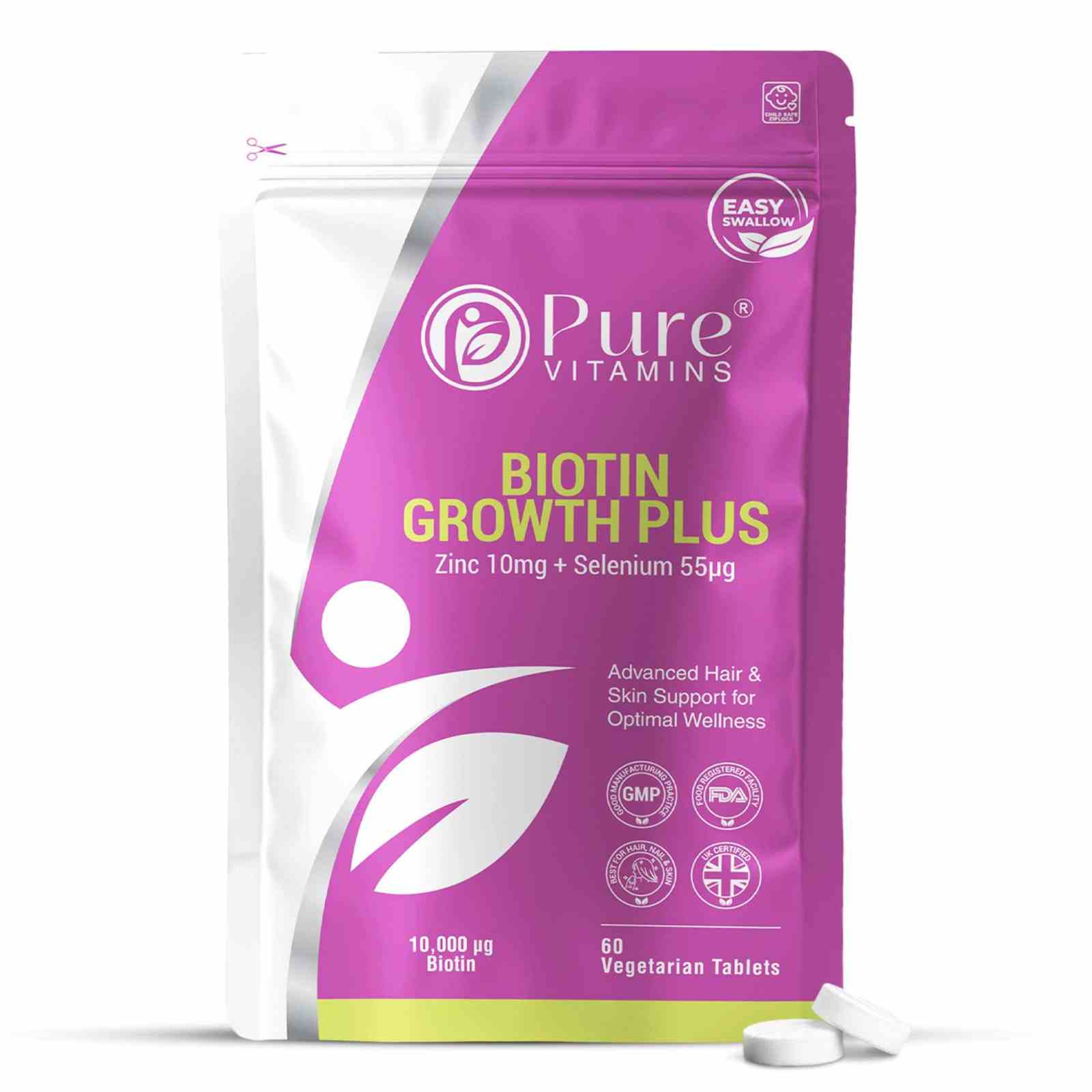
Both sit in our Biotin, Zinc & Selenium tablet, alongside biotin for its hair and skin roles. So if your diet may run low in these minerals, a supplement is a sensible way to support the nails you already have, rather than a fix for damage.
What about biotin and nails?
Biotin gets marketed hard for hair and nails, so let me be straight with you. A systematic review found that in the reported cases where biotin helped hair or nail changes, the people involved had an underlying deficiency or a specific condition, and it concluded there is a lack of good evidence for biotin in otherwise healthy people (Patel et al., 2017, DOI). Biotin genuinely supports normal hair and skin, which is why it earns its place in the formula, but for nails specifically the honest pointer is zinc and selenium. That is not a knock on biotin, it is just matching the nutrient to the job.

What a supplement can and cannot do
Here is the honest framing. If splitting nails are partly down to gaps in your diet, supporting normal nail maintenance with zinc and selenium is reasonable. But if the cause is external, which is the common case, or a health issue, a supplement will not fix it and is never a substitute for addressing the real cause. Think of it as supporting normal maintenance, not repairing a problem. Nails also grow slowly, so any nutritional support shows over months, not days.
How much, and the upper limits
More is not better with these minerals, and both have upper limits worth respecting:
- Zinc: EFSA sets a tolerable upper intake level of about 25 mg per day from all sources; sustained high zinc can interfere with copper status, which is why a sensible dose matters. We explain it in what zinc does for skin and nails.
- Selenium: the upper level is around 300 micrograms per day; selenium has a relatively narrow window, so a modest amount is the goal.
- Biotin: no upper limit is set, as it is water-soluble, which we cover in is biotin water-soluble.
Biotin and blood tests: a practical caution
One genuinely useful thing to know: high-dose biotin can interfere with some laboratory blood tests that use a streptavidin-biotin system, including certain hormone and thyroid assays, and the effect depends on the dose and the time since your last capsule (Ostrowska et al., 2019, DOI). If you take a high-strength biotin supplement, tell the clinic before a blood test so they can read your results correctly.
When to see a professional
Some nail changes deserve a doctor's eye rather than a supplement: sudden changes in colour or shape, pitting, separation from the nail bed, or splitting that appears alongside other symptoms. These can occasionally signal something worth checking, so please do not self-manage them with supplements, see your GP.
Food sources and signs of running low
Zinc is found in meat, shellfish (oysters especially), seeds, nuts and wholegrains; selenium is rich in Brazil nuts, fish, eggs and wholegrains. Low zinc can show as poor wound healing, skin changes or hair shedding, though these overlap with many things and are a prompt to look at your diet rather than a diagnosis. A varied diet supplies most people, with a supplement quietly filling any gaps.

A sensible approach to nail strength
- Protect them: gloves for wet work, gentler nail-care, moisturise the nail and cuticle.
- Cover the nutrient bases: zinc and selenium for the maintenance of normal nails, if your diet may be short.
- Be patient: nails grow slowly, so any nutritional support shows over months.
- Check persistent changes: with a GP, not a supplement label.
How our Biotin, Zinc & Selenium is formulated
Our Biotin, Zinc & Selenium tablet brings together zinc and selenium for normal nails with biotin for normal hair and skin, in one daily tablet. It is formulated in the UK and tested for purity and heavy metals at our GMP-certified facility. For the wider picture see our hair, skin and nails guide and how much biotin you need, or browse the full range on the Pure Vitamins UK home page. If you are wondering about combining these nutrients, see whether you can take selenium and biotin together.
Frequently asked questions
What actually supports normal nails?
Zinc and selenium both contribute to the maintenance of normal nails. For everyday splitting, protecting nails from water and detergents usually matters more than any single nutrient.
Does biotin help splitting nails?
Biotin supports normal hair and skin, and the evidence for nails is limited to cases of deficiency. In healthy people there is insufficient evidence that biotin improves nails, so for nails the honest pointers are zinc and selenium.
How much zinc and selenium is safe?
EFSA upper levels are about 25 mg a day for zinc and around 300 micrograms a day for selenium from all sources. Stay within sensible amounts, as both can cause problems in excess.
Should I tell my doctor I take biotin before a blood test?
Yes. High-dose biotin can interfere with some laboratory blood tests, so let the clinic know so they can interpret your results correctly.
Sources retrieved from PubMed; see linked DOIs above. This article is for general information, not medical advice. Food supplements should not be used as a substitute for a varied, balanced diet and a healthy lifestyle. Persistent or sudden nail changes should be assessed by your GP. If you are pregnant, breastfeeding, taking medication or managing a medical condition, speak to your GP or pharmacist before starting a new supplement. Signed, Dr. Miron, Founder of Pure Vitamins UK.
