


Reviewed and updated: 14 August 2026
The direct answer: if you want to know which type of creatine is best, creatine monohydrate is the one to reach for. It is by far the most researched form, it is the best value, and it is the version that carries an authorised performance claim here in the UK. The newer, pricier forms sound clever on the label, but the evidence rarely shows them doing anything monohydrate does not already do.
I am Dr. Miron, founder of Pure Vitamins UK, and this is a question I get almost every week. Walk into any shop or scroll any marketplace and you will see HCl, ethyl ester, buffered, magnesium chelate, liquid, and a handful of "advanced" blends, each hinting it is a step up. Here is what the science actually says, and how to choose without overpaying.
Which type of creatine is best? The short answer
- Best overall: creatine monohydrate. The most studied, most trusted form, and the best price per serving.
- Micronised monohydrate is the same molecule milled finer so it mixes more cleanly. A nice-to-have, not a different or stronger creatine.
- HCl, ethyl ester, buffered and liquid cost more and, in head-to-head research, have not out-performed monohydrate.
- Who it is for: adults doing high-intensity training who want a simple, well-evidenced daily supplement.
- One honest caveat: once you are taking a proper daily dose, the form barely matters. Consistency matters far more than the wording on the tub.

The main types of creatine you will see on the shelf
Most of the confusion comes from how many names there are. Here is the honest tour of what you will actually find:
- Creatine monohydrate. Creatine bound to a single water molecule. The original, the cheapest, and the form used in the overwhelming majority of studies.
- Micronised creatine monohydrate. The same monohydrate, milled into much smaller particles so it disperses and mixes with less grit. Same active, easier to drink.
- Creatine hydrochloride (HCl). Creatine joined to hydrochloric acid, which makes it very water-soluble. More soluble does not automatically mean more effective.
- Buffered creatine (often sold as Kre-Alkalyn). Monohydrate with an added alkaline agent, marketed as needing a smaller dose with fewer side effects.
- Creatine ethyl ester. Creatine with an ester attached, once promoted for better absorption.
- Creatine magnesium chelate. Creatine bound to magnesium, pitched as an uptake upgrade.
- Liquid creatine and serums. Pre-dissolved creatine in a bottle.
Why creatine monohydrate is the reference form
When people ask me which type of creatine is best, my answer keeps coming back to monohydrate for one simple reason: the research on it is enormous and consistent. There are hundreds of peer-reviewed studies behind it. The International Society of Sports Nutrition, in its 2017 position stand, concluded that creatine monohydrate is the most effective and best-studied form for increasing muscle creatine stores and high-intensity exercise capacity, and that it is well tolerated at the doses people actually use (Kreider et al., 2017).
Monohydrate is also the form the UK's authorised wording is built around. Creatine increases physical performance in successive bursts of short-term, high-intensity exercise, an effect obtained with a daily intake of 3g of creatine. That is real, measured, and it is why creatine sits in so many training routines. It helps you get more out of short, hard efforts, and it is that harder, more consistent training that supports strength and muscle over time, rather than the powder doing the work for you.

Micronised versus regular monohydrate
This is the one upgrade I do think is worth it, and it is the one we make. Micronised creatine is not a different molecule. It is ordinary creatine monohydrate milled into much finer particles. The chemistry is identical, so the performance is identical. What changes is the everyday experience: it disperses faster, mixes cleaner, and leaves less grit at the bottom of the shaker. If you have ever chewed the last gritty mouthful of a cheap creatine, you already know why that matters. I dig into this in more detail in my guide to whether micronised creatine is better than monohydrate.
Creatine HCl versus monohydrate: does the solubility story hold up?
HCl is the form most often marketed as the smarter choice, usually on the strength of its solubility. It is true that creatine HCl dissolves more readily in water. The honest question is whether that translates into a real-world advantage, and the current evidence says no. In the ISSN's detailed review of common creatine questions, the researchers concluded that no other form has been shown to be clearly superior to monohydrate for raising muscle creatine or improving performance, and that monohydrate remains the recommended choice (Antonio et al., 2021). Better mixing is a genuine convenience. It is not the same as better results, and HCl usually costs noticeably more per serving.
Buffered, ethyl ester, liquid and the rest
The remaining forms tend to promise more with less. When they have been tested head-to-head, they have not delivered. A controlled study comparing a buffered creatine (Kre-Alkalyn) with standard monohydrate found no advantage for the buffered version in muscle creatine content, body composition, strength or side effects, even when the buffered form was taken at the low dose its label suggested (Jagim et al., 2012). Creatine ethyl ester has generally fared worse than monohydrate in the lab, and liquid creatine tends to be unstable once it has sat dissolved in a bottle for a while. None of these gives you a reason to pay a premium over a good monohydrate.

How to choose a quality creatine
Once you have settled on monohydrate, the real decision is quality, not exotic forms. Here is what I look for, and what we build into ours:
- One honest ingredient. Look for 100% creatine monohydrate with no fillers, flavourings, sweeteners or anti-caking agents padding out the tub.
- Purity you can trust. A recognisable branded raw material such as Creapure is one marker some products use. What matters more is that the finished powder is tested for purity and heavy metals at a GMP-certified facility, which is the standard our creatine is held to.
- A clear label. You should be able to see the exact grams of creatine per serving. Ours provides 3.5g of micronised monohydrate per level teaspoon, comfortably above the 3g the authorised claim is based on.
- Sensible value. Work out the cost per serving, not just the price on the front. Monohydrate almost always wins here.
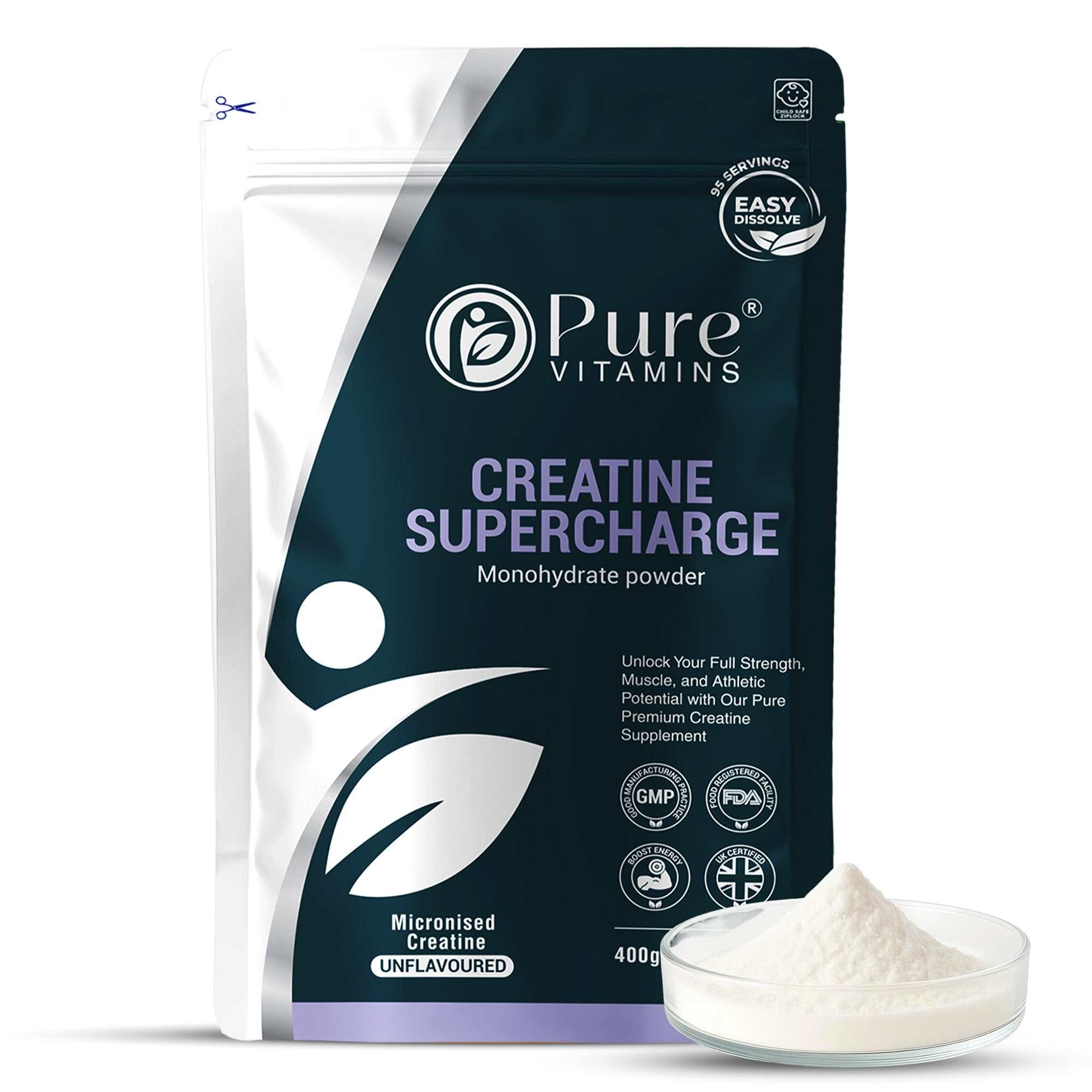
Our own Micronised Creatine Monohydrate is formulated in the UK, vegan-friendly and made to that standard, which is exactly the box I would want a buyer to be able to tick.
How much to take, and the claim you can trust
For most people a flat 3 to 5g a day is all you need, taken every day. The authorised wording is precise about this: creatine increases physical performance in successive bursts of short-term, high-intensity exercise, with the effect obtained at 3g of creatine per day. A loading phase, where you take around 20g split through the day for the first week, only fills your muscle stores a little faster. It is entirely optional, and taken daily a standard dose reaches full saturation within a few weeks anyway (Kreider et al., 2017). If you want the detail, see my guide to creatine loading, dosing and saturation, and the one on when to take it.

A few cautions worth knowing
Creatine has one of the strongest safety records of any supplement, but a few honest notes are worth having:
- The scale can jump early. Any quick weight gain in the first week or two is water drawn into muscle, not fat. I explain this fully in why creatine can move the scales.
- Large single doses can unsettle the stomach. If you get any bloating or looseness, split the dose or take it with food. A finer, micronised powder tends to sit more comfortably.
- Healthy kidneys cope well. Reviews of the evidence report that creatine at recommended doses does not harm kidney function in healthy adults, though anyone with existing kidney concerns should check with their doctor first (Antonio et al., 2021). I round up the usual worries in creatine myths, honestly.
- Not for everyone. Creatine is not suitable for under-18s. If you are pregnant, breastfeeding, taking medication or managing a health condition, speak to a healthcare professional before starting.
What to realistically expect
My honest take after years of this: creatine is one of the few supplements that genuinely earns its place, but it is a quiet helper, not a transformation in a tub. Choose a clean monohydrate, take it every day, train consistently, and give it a few weeks. You are not buying a magic form of creatine. You are buying the best-evidenced one, and then letting your training do the rest. You can see how it fits alongside everything else in our supplement guides, and the full background lives in what creatine is and how it works.
Frequently asked questions
Is creatine monohydrate really the best type of creatine?
For almost everyone, yes. It is the most researched form, it carries the UK authorised performance wording at a 3g daily intake, and it is the best value. Other forms have not been shown to beat it in head-to-head studies.
Is micronised creatine better than monohydrate?
Micronised creatine is monohydrate, just milled finer. It is not stronger or chemically different. The only real benefit is that it mixes more smoothly and tends to be gentler on the stomach.
Is creatine HCl better than monohydrate?
HCl dissolves more easily, but better solubility has not translated into better results in research. Monohydrate remains the recommended choice and usually costs less per serving.
How much creatine should I take a day?
A daily 3 to 5g of creatine monohydrate suits most people. The authorised performance claim is based on 3g per day. A loading phase is optional and only saturates your muscles slightly faster.
Shop Micronised Creatine Monohydrate
Warmly,
Dr. Miron, Founder of Pure Vitamins UK
References
Kreider RB, et al. (2017). International Society of Sports Nutrition position stand: safety and efficacy of creatine supplementation. Journal of the International Society of Sports Nutrition. https://doi.org/10.1186/s12970-017-0173-z
Antonio J, et al. (2021). Common questions and misconceptions about creatine supplementation: what does the scientific evidence really show? Journal of the International Society of Sports Nutrition. https://doi.org/10.1186/s12970-021-00412-w
Jagim AR, et al. (2012). A buffered form of creatine does not promote greater changes in muscle creatine content, body composition, or training adaptations than creatine monohydrate. Journal of the International Society of Sports Nutrition. https://doi.org/10.1186/1550-2783-9-43
Food supplements should not be used as a substitute for a varied, balanced diet and a healthy lifestyle. This article is for information only and is not medical advice.


