


Reviewed and updated: 23 July 2026
The best probiotic strains: a practical guide
The best probiotic strains for most people are not an exotic single organism but a sensible, diverse blend drawn from the two best-studied families, Lactobacillus and Bifidobacterium, delivered in a capsule that actually survives the journey to the gut. Live cultures like these have been part of fermented foods for centuries, and modern research has mapped out which families are best understood. Let me walk you through the strains that matter, how to read a strain label, and why the exact line-up often matters less than two other things.

TL;DR
- What they are: live-culture strains, mostly from the Lactobacillus and Bifidobacterium families.
- Who it is for: anyone choosing a general daily probiotic and wondering which strains to look for.
- The one thing to know: a diverse, named blend that survives to the gut beats a single headline strain in flashy packaging.
The two families that dominate
Most well-made multi-strain probiotics are built around two genera, simply because they are the most extensively studied:
- Lactobacillus: a large family found throughout the digestive tract. Common members include L. acidophilus, L. rhamnosus and L. plantarum, among the most researched probiotic organisms in the world.
- Bifidobacterium: another major resident of the gut, with members such as B. longum, B. bifidum and B. lactis, which tend to colonise the large intestine.
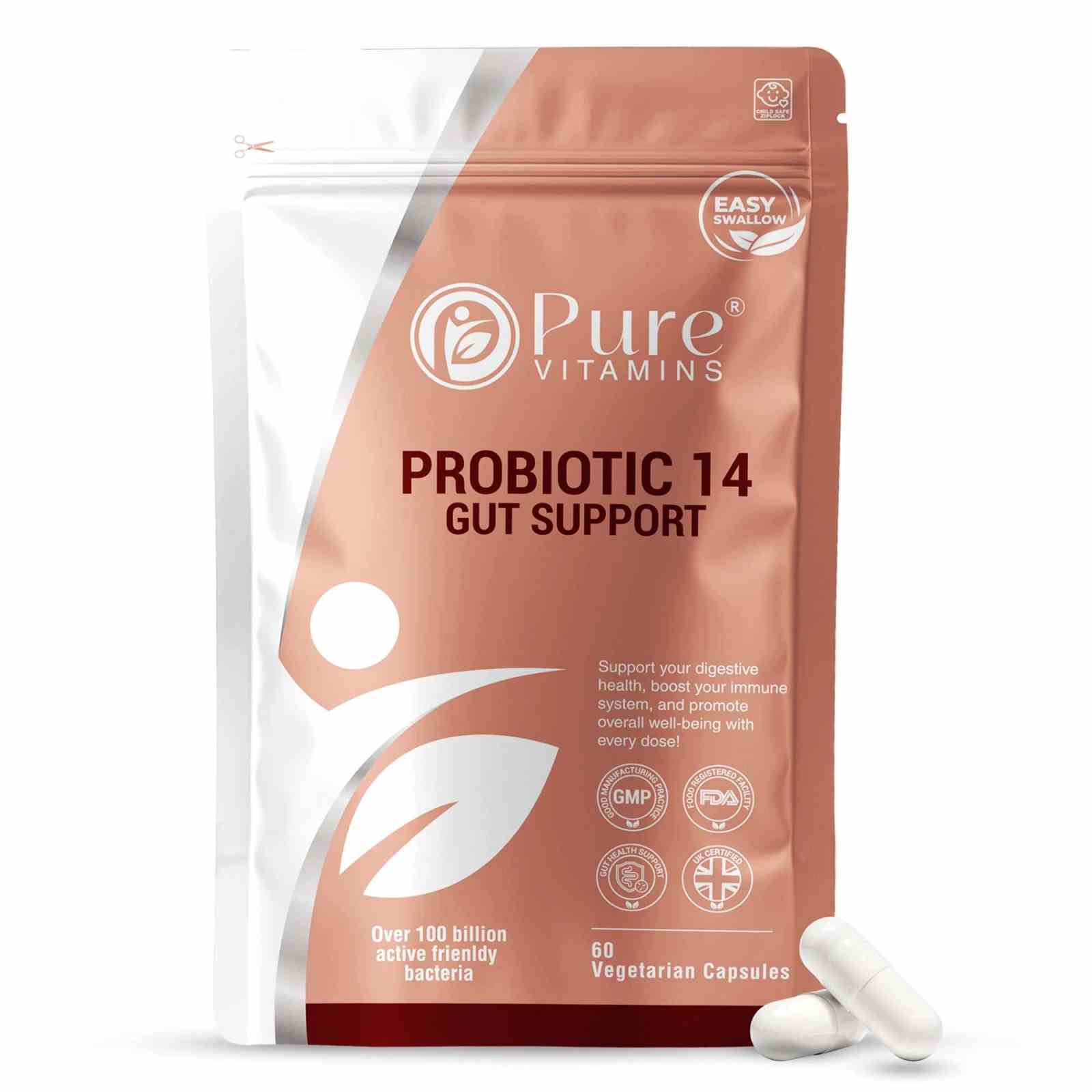
A formula that draws sensibly from both families, as our 14-strain Probiotic Capsules do, reflects the natural diversity of the gut rather than betting everything on one organism.

Notable, well-studied strains
A few names come up again and again in the research, and it is helpful to recognise them: Lactobacillus rhamnosus and Lactobacillus acidophilus are among the most studied Lactobacilli; Lactobacillus plantarum is hardy and frequently used; and on the Bifidobacterium side, B. longum and B. lactis are widely researched residents of the large intestine. Seeing a spread of these named on a label is a reassuring sign of a considered formula rather than a single-strain gamble.
Single strain or multi-strain?
You will see both approaches sold confidently. The single-strain pitch usually leans on the fact that one specific strain was used in a specific study. The multi-strain pitch argues that the gut is diverse and a blend covers more ground. According to research retrieved from PubMed, a randomised controlled trial in healthy women found a multi-strain probiotic measurably shifted the composition of the gut microbiota over 28 days, which supports the idea that a diverse blend engages the microbiome broadly (Bloemendaal et al., 2021, DOI). For most people choosing a general daily probiotic, a diverse multi-strain formula is the more sensible default, because it is less of a gamble than pinning everything on a single headline organism whose marketing may be outrunning the evidence.

Why the strain list matters less than two other things
Here is the honest part most strain guides skip: the exact line-up is often less decisive than two factors. First, survival. According to research retrieved from PubMed, a review noted that probiotics face significant stresses during gastrointestinal transit, including low gastric pH and bile, and depend on stress-response mechanisms that can be conserved across strains or unique to specific ones (Castro-Lopez et al., 2022, DOI). In other words, the most carefully chosen strains are wasted if they do not reach the gut alive, which is why delayed-release capsules matter so much (see do probiotics survive stomach acid). Second, whether they are fed: a prebiotic helps sustain whatever strains arrive (see prebiotic vs probiotic).

How to read a strain label well
- Named strains, clearly listed, ideally with the genus, species and, on premium products, the specific strain designation. Avoid vague proprietary blends.
- A diverse blend across Lactobacillus and Bifidobacterium, rather than a single strain dressed up as a do-everything solution.
- A sensible CFU count with survival technology, covered in our guide to choosing a probiotic.
- A measured tone: be sceptical of dramatic strain-specific promises and favour brands that describe what is genuinely inside.
How long to take them, and what to expect
Probiotics are best taken consistently, day to day, since the cultures pass through rather than permanently settling in. Give any probiotic a few weeks as part of a routine that also includes plenty of fibre and fermented foods, which is what genuinely feeds a diverse microbiome. Some people notice mild, temporary bloating in the first few days as things settle.
Suitability and quality
For daily use, also check the practical points: a vegan-suitable, shelf-stable capsule is convenient, and the product should be made in a GMP-certified facility and tested for purity and heavy metals at our GMP-certified facility, with a Certificate of Analysis available on request.
The bottom line
The best strains for most people are not an exotic single organism but a sensible, diverse blend from the two best-studied families, delivered in a way that survives the journey. Our Probiotic Capsules bring together 14 strains across both families, 100 billion CFU, prebiotic inulin and a delayed-release capsule. You can browse the wider range on our Pure Vitamins UK home page.
Frequently asked questions
Which probiotic strains are best? For most people, a diverse blend from the Lactobacillus and Bifidobacterium families is the sensible choice, rather than a single headline strain.
Is multi-strain better than single-strain? For a general daily probiotic, a diverse multi-strain formula is the more sensible default. Single-strain products can suit specific, study-led uses.
Does the strain list matter most? Survival to the gut and a prebiotic to feed the cultures often matter as much as the exact list.
How long should I take a probiotic? Consistently, day to day, and give it a few weeks alongside a fibre-rich diet, since the cultures pass through rather than permanently colonising.
Food supplements should not be used as a substitute for a varied, balanced diet and a healthy lifestyle. If you are pregnant, breastfeeding, taking medication or managing a medical condition, speak to your GP or pharmacist before starting a new supplement.
Dr. Miron, Founder of Pure Vitamins UK.
